Song Meaning
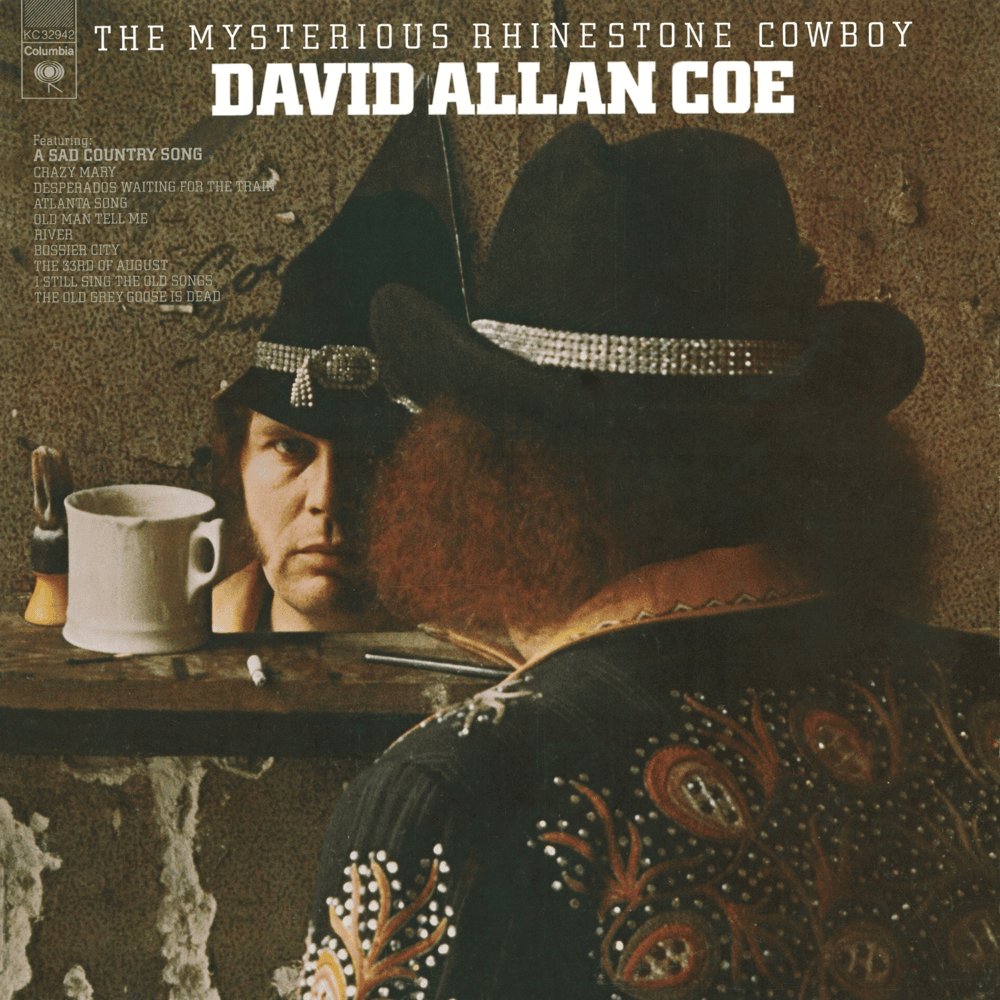
David Allan Coe's rendition of "The Old Grey Goose Is Dead" isn't just a children's rhyme; it's a masterclass in understated emotional depth, filtered through a lens of rural starkness. The surface narrative is brutally simple: a goose dies, leaving behind a grieving gander and orphaned goslings. But the repetition, the insistent command to "Go tell Aunt Rhody," hints at something far more profound lurking beneath the barnyard tableau. The song isn't about the goose; it's about the ritual of grief and the communal responsibility of bearing bad news.
Aunt Rhody, whoever she may be, becomes a focal point for processing loss. The repeated instruction suggests a need for her specific comfort or perhaps her involvement in the deceased goose's life. The lines about the gander's refusal to eat underscore the raw, visceral nature of grief, while the plea to "pray for the babies" exposes the vulnerability and fragility that death leaves in its wake. Coe's delivery, stripped of sentimentality, amplifies the song's emotional core.
The persistent call to inform Aunt Rhody acts as a metaphor for our own attempts to grapple with mortality. It's a call to confront the uncomfortable truth, to acknowledge the void, and to seek solace in community. The song finds power in its simplicity, revealing how even the most basic narrative can serve as a vessel for profound human experience. The seemingly innocuous children's song becomes an exploration of empathy, loss, and the enduring power of shared sorrow. In essence, David Allan Coe transforms a simple folk song into a meditation on the cycle of life and death, reminding us of the interconnectedness of all beings and the importance of collective mourning.
 View Artist