Song Meaning
David Allan Coe's '(She Finally Crossed Over) Love's Cheatin' Line' isn't just another country heartbreak ballad; it's a masterclass in self-deception and the bitter acceptance of betrayal. The repeated title phrase acts as both a lament and a delayed realization, a sort of 'oh, NOW I get it' moment dripping with wounded pride. The lyrics paint a picture of a man grappling with the infidelity of his partner, not necessarily with rage, but with a bewildered sense of loss and, perhaps unconsciously, a recognition of his own role in pushing her away. The line, "It's hard to imagine that I've been so blind," is particularly telling, suggesting a willful ignorance, a preference for maintaining the illusion of a happy relationship rather than confronting uncomfortable truths. The 'love's cheatin' line' of the song meaning is therefore not just about physical infidelity, but the crossing of a boundary into a place of no return.
Coe's characteristic outlaw country swagger is subtly undermined by vulnerability. He acknowledges his own potential shortcomings ("it's true that I left her alone"), hinting at a neglect that may have contributed to her actions. However, this isn't a moment of genuine introspection as much as a justification. He quickly pivots to self-pity, noting the "pity from all of my friends," highlighting his concern with public perception and wounded ego. The mention of his "best friend" being the other man adds another layer of pain and betrayal, turning the knife a little deeper. The song's raw honesty lies in its portrayal of a flawed narrator, a man struggling to reconcile his self-image with the reality of his broken heart.
Ultimately, '(She Finally Crossed Over) Love's Cheatin' Line' offers a glimpse into the psychology of denial. Rather than confronting the complex reasons behind the infidelity, the narrator chooses the simpler narrative of betrayal, seeking solace in a bottle. "This bottles gonna help me to get her off my mind" is a classic country trope, but here it underscores the avoidance of deeper emotional processing. The 'danger signs' he claims he 'should have noticed' are less about observable clues and more about his own unwillingness to see the cracks in the relationship. The song's power resides in its unflinching portrayal of a man clinging to a simplified version of events, shielding himself from the full weight of his heartbreak and his own culpability.
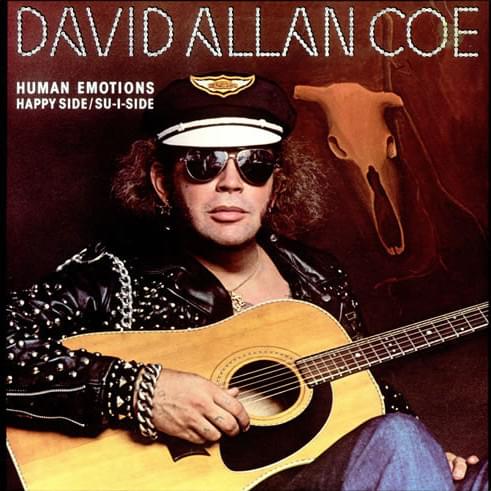
 View Artist