Song Meaning
David Allan Coe's "Rose Knows" isn't a tale of simple infidelity; it's a portrait of a man wrestling with the predictable fallout of a wandering heart. The opening lines establish the ground rules—or lack thereof. He admits upfront he couldn't offer his whole heart, suggesting a pre-existing commitment, a crucial detail often glossed over in typical cheatin' songs. The admission, "I tried like hell but still we fell," hints at a struggle, a desire to resist the allure, but ultimately succumbing to the inevitable. It's the well-worn path of temptation, but Coe frames it with a weary resignation, not a boastful swagger.
The chorus is where the real tension lies. "Rose knows something's going on" isn't just a lyric; it's the Damoclean sword hanging over the narrator's head. The repetition emphasizes the weight of his deception and the palpable sense of guilt. Rose, presumably his wife or long-term partner, isn't naive; she senses the shift in his behavior, the distance growing between them. The line "she's spending too much time alone" is particularly poignant, highlighting the emotional neglect that accompanies his actions.
Coe doesn't try to paint himself as a victim or absolve himself of responsibility. The line "I wish it could be but unfortunately I've got roses on my mind" is a clever double entendre. It acknowledges his desire for the momentary pleasure while simultaneously reaffirming his commitment—or at least his sense of obligation—to Rose. The roses aren't just a symbol of his relationship; they represent the responsibilities and consequences that he can't simply ignore, despite the pull of temptation. It's a stark, unsentimental look at the messy realities of love, lust, and the lies we tell ourselves and others.
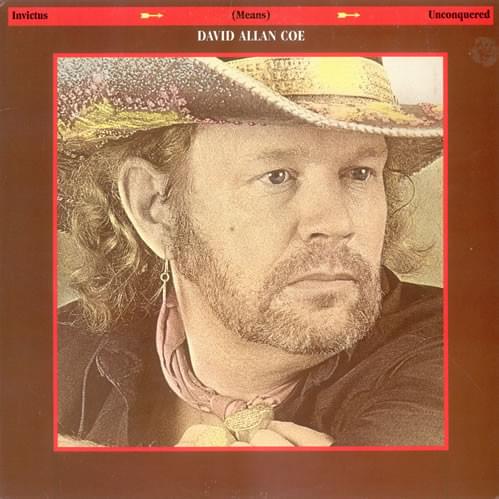
 View Artist