Song Meaning
David Allan Coe's "Mister, Don't Speak Bad About My Music" isn't just a defense of artistic expression; it's a surprisingly nuanced exploration of identity, authenticity, and the yearning for a life unlived. The song's protagonist, a city dweller far removed from the rural roots often associated with country music, finds himself caught between two worlds. He readily admits to a life of urban comforts, confessing he's 'never had a horse or saddle' and has 'never, ever owned a piece of land.' Yet, he finds solace and self-expression in singing what 'they call country music.' This immediately creates a tension: is he a genuine article, or a poseur appropriating a culture that isn't his? The defensiveness of the chorus, 'Hey Mister don't talk bad about my music / Be careful what you say about my clothes,' suggests a deep-seated insecurity about his place within the genre. It's a preemptive strike against accusations of inauthenticity, revealing a vulnerability beneath the bravado. He wants to be accepted, to belong to this musical tradition, but fears judgment. The persona he adopts is one of the 'downtown honky tonk' singer, mimicking the tunes he hears on the jukebox.
The song's deeper resonance lies in its articulation of a common human experience: the pull between the life we live and the life we imagine. The narrator admits, 'I know I'll never make it in a small town / I need those bright lights whirling around my head.' He acknowledges his dependence on the urban environment. However, this acknowledgement is immediately followed by 'That don't mean that you won't find me dreaming / About chucking fences, running my own spread.' This reveals a powerful, perhaps unattainable, desire for a simpler, more 'authentic' existence. This internal conflict – the comfort of the known versus the allure of the unknown – fuels the song's emotional core. He is a man defined by his contradictions, forever caught between the bright lights of the city and the romanticized ideal of rural life.
Ultimately, "Mister, Don't Speak Bad About My Music" is a plea for acceptance and understanding. It's a declaration that passion and connection to music transcend geographical boundaries and lived experiences. While the narrator may not embody the traditional image of a country singer, his love for the music is genuine, and his yearning for a different life is palpable. The song serves as a reminder that identity is complex, often built on dreams and aspirations as much as on concrete realities. The meaning of the song resides in this tension, the space between who we are and who we long to be, and the courage to express ourselves, even when we feel like outsiders.
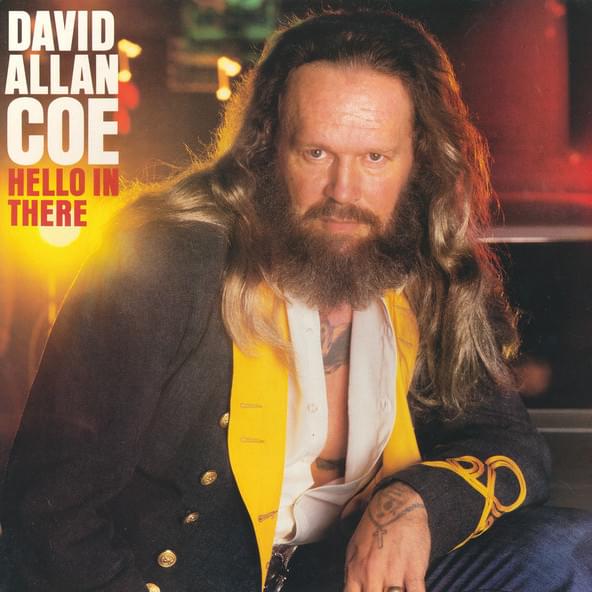
 View Artist