Song Meaning
David Allan Coe's "Hey Gypsy" isn't just a country lament; it's a raw, psychologically complex portrait of a man wrestling with the opposing forces of wanderlust and domesticity. The song's brilliance lies in its stark simplicity, using direct address to lay bare the internal conflict tearing at the protagonist. He's a 'gypsy,' an 'outlaw,' a 'drifter,' a 'loner' – each label a facet of his restless spirit. The repeated plea, 'Come on home,' acts as both an invitation and a desperate internal command, highlighting the push and pull between freedom and responsibility. It's the siren song of hearth versus highway.
The lyrics cleverly juxtapose the romanticized image of the wandering soul with the grounding reality of a woman 'mending socks and sitting' home a nagging'.' This isn't a simple condemnation of domesticity; it's an acknowledgment of the inherent tension between the untamed male ego and the demands of a relationship. The woman's voice, though present, is filtered through the man's perspective, tinged with his own anxieties and guilt. Her offer of 'it doesn't matter whether were alone' reveals a yearning for connection, but also a potential trap for a man who defines himself by his independence.
The final verse introduces a potent twist: 'It won't be long until I have your baby.' This shifts the power dynamic and raises the stakes. The impending arrival of a child forces the 'loner' to confront the long-term consequences of his choices. Will he embrace the role of father and settle down, or will the call of the open road prove too strong to resist? "Hey Gypsy" leaves us hanging, not with a resolution, but with a profound question about the nature of commitment and the enduring allure of freedom. The song's meaning resides in this unresolved tension, reflecting the universal struggle to reconcile our deepest desires with the demands of love and responsibility.
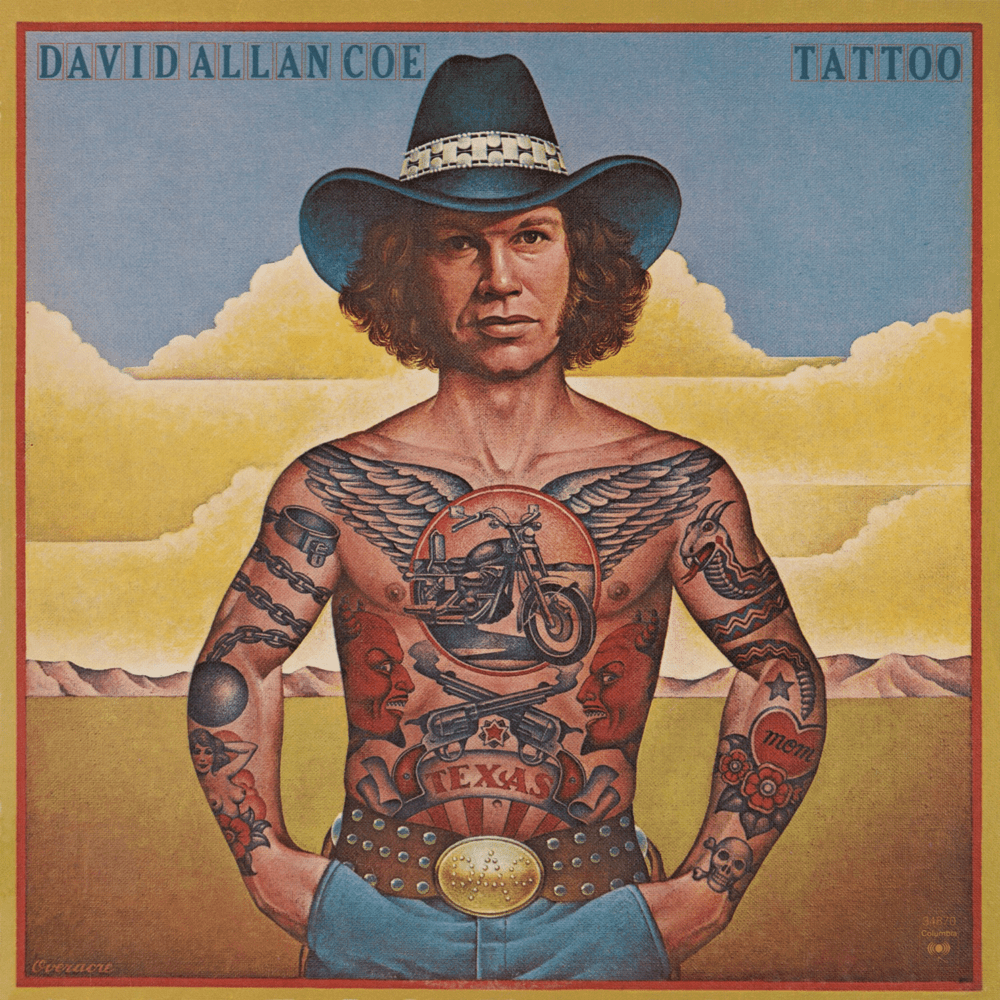
 View Artist