Song Meaning
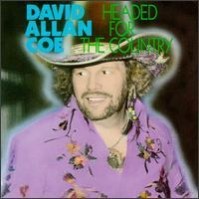
David Allan Coe's "Headed For The Country" isn't just a country song; it's a poignant snapshot of abandonment and a longing for simpler times, filtered through Coe's signature outlaw lens. The opening paints a picture of fragile hope, shattered by the stark reality of a note left on a door. The mundane detail of "two weeks stack of daily papers" amplifies the sense of prolonged absence, emphasizing the finality of the departure. This isn't a spur-of-the-moment decision; it's a carefully considered escape. The narrator is left grappling not only with the loss but with the abruptness of it all. The contrast between the city and the country is more than just geographical; it represents a fundamental clash of values.
The chorus, repeated like a mournful refrain, underscores the romanticized vision of the country as a sanctuary. "Far from the city sidewalks, the neons and the rain" evokes a sense of claustrophobia and artificiality, which is juxtaposed with the freedom of "grassy meadows" and running "barefoot through the wind." The woman's departure symbolizes a rejection of the complexities and pressures of urban life, a yearning for authenticity and connection with nature. This desire for escape is a common theme, but Coe imbues it with a raw, personal edge, highlighting the narrator's sense of bewilderment and loss.
Beyond the literal meaning of leaving, the song delves into deeper themes of faith and disillusionment. The lines referencing "sermons of seek and ye shall find" and "Truth is just a bluebird flying blind" suggest a questioning of conventional wisdom and a search for meaning in a chaotic world. The "special prayer for those whose mind should ever flow" hints at a concern for those who think differently, for the outcasts and the marginalized. Ultimately, "Headed For The Country" is a multifaceted exploration of love, loss, and the enduring human desire for escape, all wrapped in Coe's distinctively gritty storytelling.
 View Artist