Song Meaning
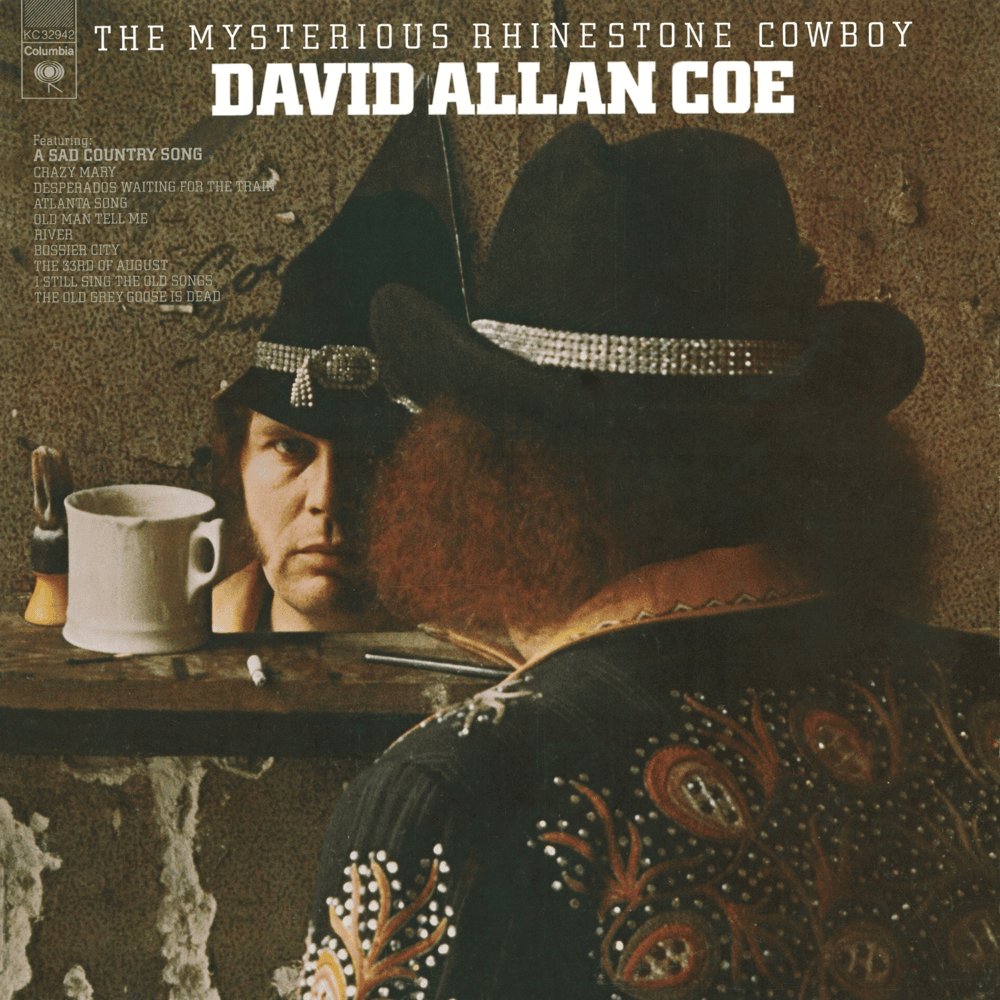
David Allan Coe's "Bossier City" isn't just a geographical marker; it's a psychic landscape of betrayal and impending departure. The song, steeped in classic country resignation, paints a portrait of a relationship poisoned by deceit. The opening lines, "My hands are shaking and I'm sadly learning / The truth behind your innocent disguise," immediately establish a tone of wounded revelation. The narrator isn't raging; he's processing, the tremor in his hands a physical manifestation of emotional shock. The casual mention of seeing "the devil" in her eyes is not a literal claim but a metaphor suggesting a profound, almost supernatural, sense of the woman's capacity for darkness. This isn't mere infidelity; it's a breach of trust that cuts to the core.
The lyrics then pivot to defiance, albeit a weary kind. When she asks where he's going, his refusal to answer is a final act of asserting control. The repeated line, "And it sure smells like snow in Bossier City / But there ain't no weather quite as cold as you," underscores the central metaphor of the song: the woman's emotional frigidity. He'd rather face the raw power of nature than endure another night in her presence. This preference highlights the psychological toll of the relationship; the narrator finds more comfort in external, elemental forces than in the internal chill of his partner's emotional landscape.
The final verses emphasize the futility of communication. "I'm talking but I'm feeling you're not listening / My words they just fall heavy on the floor" speaks to the profound disconnect between the two. He understands that his departure is not unexpected, and he vows to leave without tears. This stoicism, however, doesn't negate the underlying pain. The fading repetition of the "smells like snow" refrain at the song's close reinforces the pervasive sense of emotional desolation, leaving the listener with a lingering image of a man choosing the biting cold of Bossier City over the even colder reality of a love gone irrevocably wrong. The song's meaning lies in this stark choice, a testament to the self-preservation instinct in the face of profound emotional damage.
 View Artist