Song Meaning
The lyrics paint a picture of someone grappling with the aftermath of a one-sided love, where their intense feelings were met with indifference. The narrator recalls a past self, full of unadulterated joy and hopeful anticipation, constantly seeking the attention of their beloved. This past self is now gone, replaced by someone who realizes their fervent devotion was not reciprocated, leaving them feeling stuck and unacknowledged. The core of the song lies in this painful realization and the subsequent rejection of the other person's current display of sorrow.
The central tension arises from the narrator's plea to redefine what they experienced. They insist that the other person's actions, which the narrator once mistook for love, were merely superficial gestures, something "anyone can do." This isn't love, the narrator argues, but a way for the other person to hide and inflict pain. The narrator is particularly incensed by the other person's sudden pretense of sadness, questioning why they are only now acting as if they are suffering or regretting the situation, when they were seemingly unaffected before.
The most striking aspect of the craft is the direct confrontation and redefinition of emotional terms. The narrator repeatedly commands, "Don't call that love" and "Don't call that pain," stripping the other person's actions of their conventional meaning. This forceful negation highlights the narrator's deep hurt and their need to reclaim their own experience. The repetition of "I only loved you" in the bridge underscores the profound imbalance, emphasizing that their intense affection was a solitary act.
These lyrics resonate because they articulate the specific agony of unrequited love and the subsequent invalidation of one's feelings. The narrator's demand to re-label the experience is not just about anger, but about asserting the truth of their suffering and rejecting the other person's late-stage performance. It’s the raw, defiant cry of someone who finally sees the illusion and refuses to let it define them any longer.
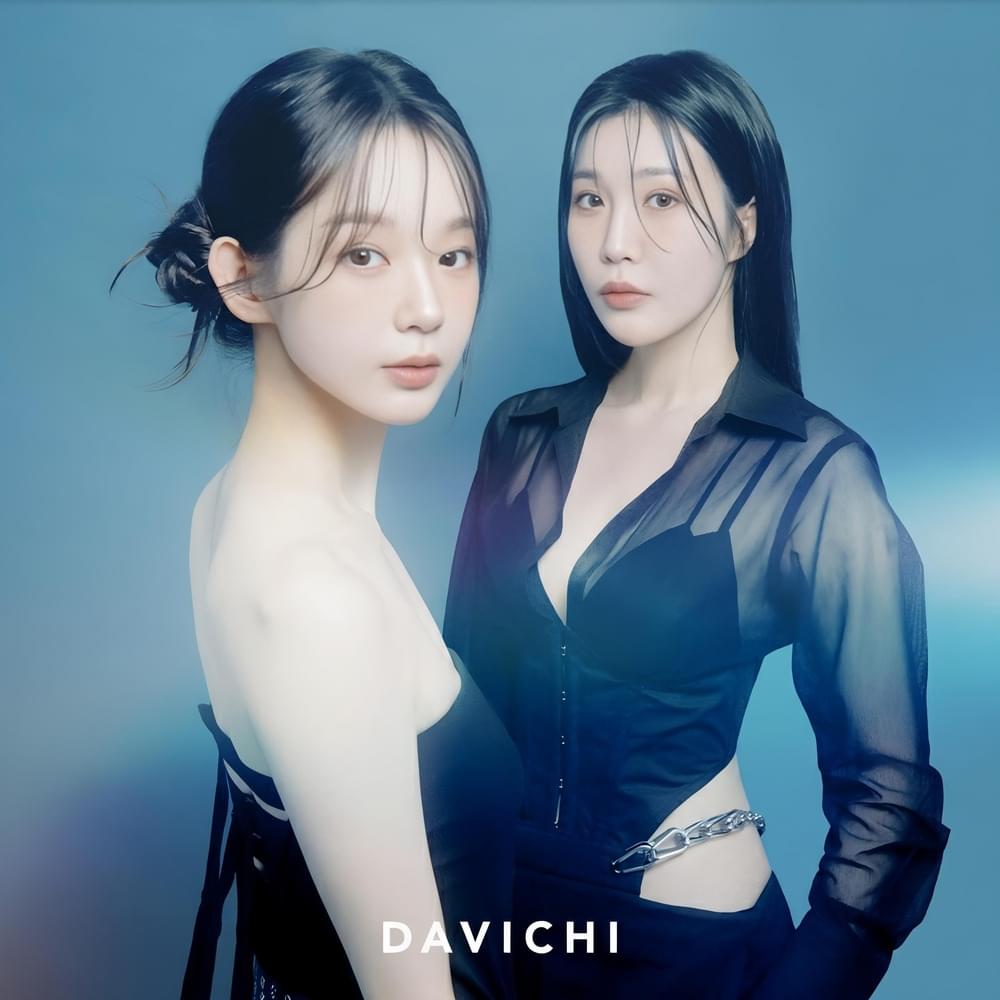
 View Artist