Song Meaning
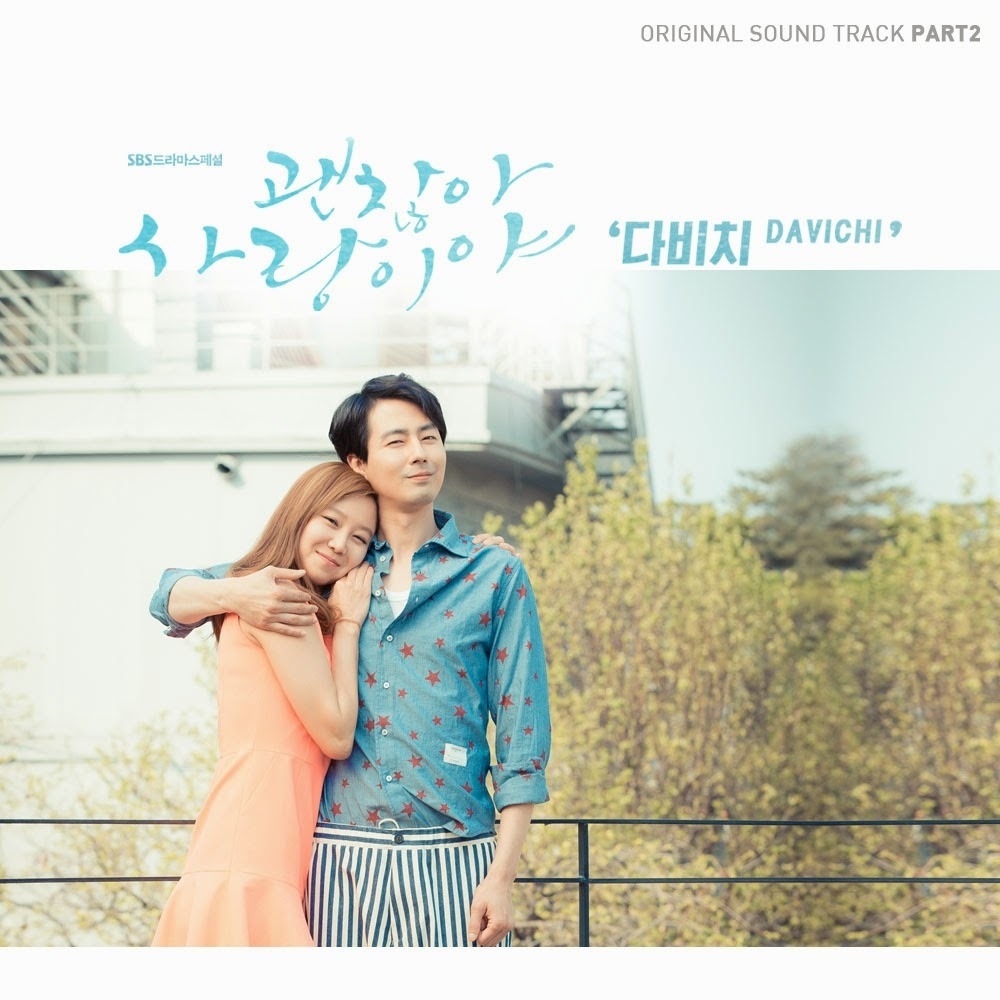
The lyrics paint a picture of someone grappling with the overwhelming, almost involuntary nature of love. The opening lines immediately question the visible signs of affection and the paradox of falling in love again after vowing not to. There's a sense of surprise at finding happiness, directly linked to the image of the beloved's face appearing in the narrator's mind. This isn't a calm, reasoned decision; it's an emotional tidal wave that the narrator is trying to navigate.
The central tension lies in the narrator's self-perceived inadequacy and the vulnerability that comes with deep affection. The phrase "가슴이 아파 널 보면 괜찮아 사랑이야" (My heart aches when I see you, but it's alright, it's love) perfectly encapsulates this. The pain isn't a deterrent but a confirmation of the love's intensity. The repeated plea, "부족한 이 맘을 또 나를 사랑을 받아 줄수 있겠니 나를" (Can you accept this lacking heart, and my love for you, accept me?), highlights a deep-seated insecurity, a fear that their flawed self might not be enough for the object of their affection.
The imagery of a flower swaying in the wind, "꽃 흔들리듯 바람에 니가 다가와" (Like a flower swaying in the wind, you approach me), is particularly striking. It evokes a sense of gentle, natural movement, yet this delicate approach profoundly impacts the narrator, "내 맘 두드리던" (knocking on my heart) and "내 눈 두드리던" (knocking on my eyes). This contrast between the soft, almost passive arrival of the beloved and the powerful, active effect they have on the narrator's inner world is a key element of the song's emotional landscape. The repetition of this image reinforces the idea that this love, though perhaps unexpected or even painful at times, feels destined and deeply resonant.
Ultimately, the lyrics resonate because they capture the raw, often contradictory feelings of being deeply in love. The narrator isn't presenting a perfect, idealized romance but an honest portrayal of love's power to both wound and heal, to inspire both insecurity and profound acceptance. The final, simple declaration, "이런 나를 사랑해줘 사랑해 널 oh love" (Love me like this, I love you, you oh love), is a powerful culmination, a hopeful surrender to the overwhelming force of this emotion and a plea for reciprocal acceptance of their imperfect self.
 View Artist