Song Meaning
Dave Matthews, an artist known for his intricate lyricism and emotional depth, here, in "Taylor Swift - Father Figure (Traduction française)" crafts a poignant meditation on resilience and the power of dreams in the face of inevitable endings. The central metaphor, a 'ship in a bottle,' encapsulates the fragility and potential of human aspiration. It's a contained world, seemingly limited, yet capable of embarking on an imagined voyage, a symbol of hope even when physical boundaries exist. The repeated refrain, 'Baby, it's alright, stop your crying now,' acts as a comforting mantra, a balm against the inherent pain of impermanence that the lyrics acknowledge. The song doesn't deny suffering; instead, it offers solace and encouragement to navigate it. This embrace of vulnerability, coupled with the quiet assertion of hope, is emotionally intelligent songwriting.
The narrative of the 'weakling man' who dreams of hurricane-force strength serves as a cautionary tale, highlighting the seductive nature of unattainable power fantasies. His moment of imagined omnipotence, where he 'watched everything crumble,' quickly dissolves upon waking, revealing the harsh reality of his limitations. However, the song doesn't condemn this dreaming. Rather, it underscores the importance of internal strength and the courage to embark on one's own 'ship in a bottle' journey, regardless of perceived weakness. The bridge offers a direct challenge to negativity, dismissing the projections of the hopeless and urging listeners to embrace their own potential for transformation.
Ultimately, the song's meaning resides in its encouragement to find agency within limitations. It suggests that even within the confines of our own 'bottles' – be they physical, emotional, or societal – we possess the capacity to set sail, to dream, and to find solace in the face of life's inevitable storms. The repeated encouragement to 'be a ship in a bottle set sail' becomes an anthem of self-empowerment, a reminder that hope and resilience are not contingent upon external circumstances but rather reside within our own capacity to imagine and to believe.
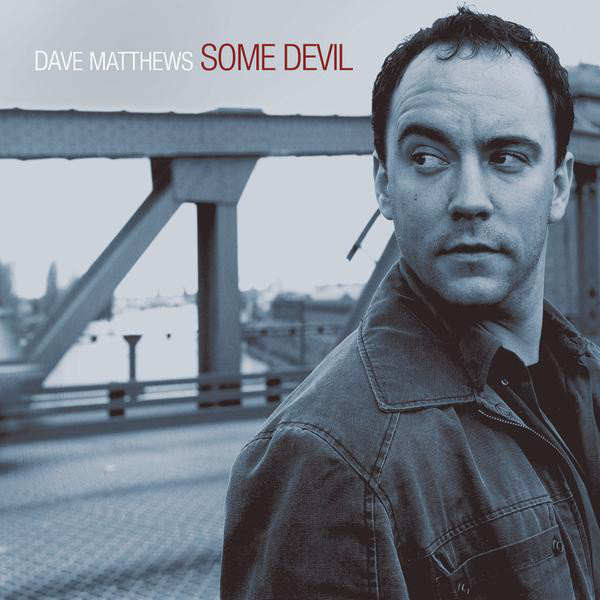
 View Artist