Song Meaning
The scene opens with Susan waking up disoriented on the floor, a stark image of physical and perhaps emotional lowliness. She finds an old, yellowed manuscript tucked away, its scent of cardamom hinting at a forgotten past. This discovery immediately shifts the focus to a discovered narrative, a "wartime romance" penned by "Zelma Natalija Birģelis."
The arrival of the Grandmother introduces a new layer, revealing that Zelma is her grandmother, and the manuscript is her own writing, a "diversion" to keep her mind sharp. This creates a poignant contrast between Susan's current state of disarray and her grandmother's past as a writer and her present focus on mental acuity. The grandmother's gentle concern, "are you eating enough? you look thin," underscores a generational gap and a subtle worry for Susan's well-being.
The most striking element is the juxtaposition of the manuscript's evocative title, "The Berries and the Plums: The End of a Wartime Romance," with the grandmother's dismissive description of it as a mere "little old person's project." This framing suggests that what Susan sees as a potentially significant literary artifact, a window into a dramatic past, is viewed by its creator as a simple pastime. The grandmother's advice, "you've got to have something to do, Susan," serves as a direct, albeit gentle, admonishment, urging Susan to find purpose and engagement, much like she herself does through writing.
This exchange is effective because it grounds a grand, romantic title in the mundane reality of aging and the need for mental stimulation. The lyrics suggest that the past, even a dramatic one, can become a quiet hobby, and that the present requires active engagement. The emotional resonance comes from the quiet wisdom of the grandmother, who, despite her own past creative endeavors, prioritizes present mental health and offers Susan a subtle nudge towards finding her own purpose.
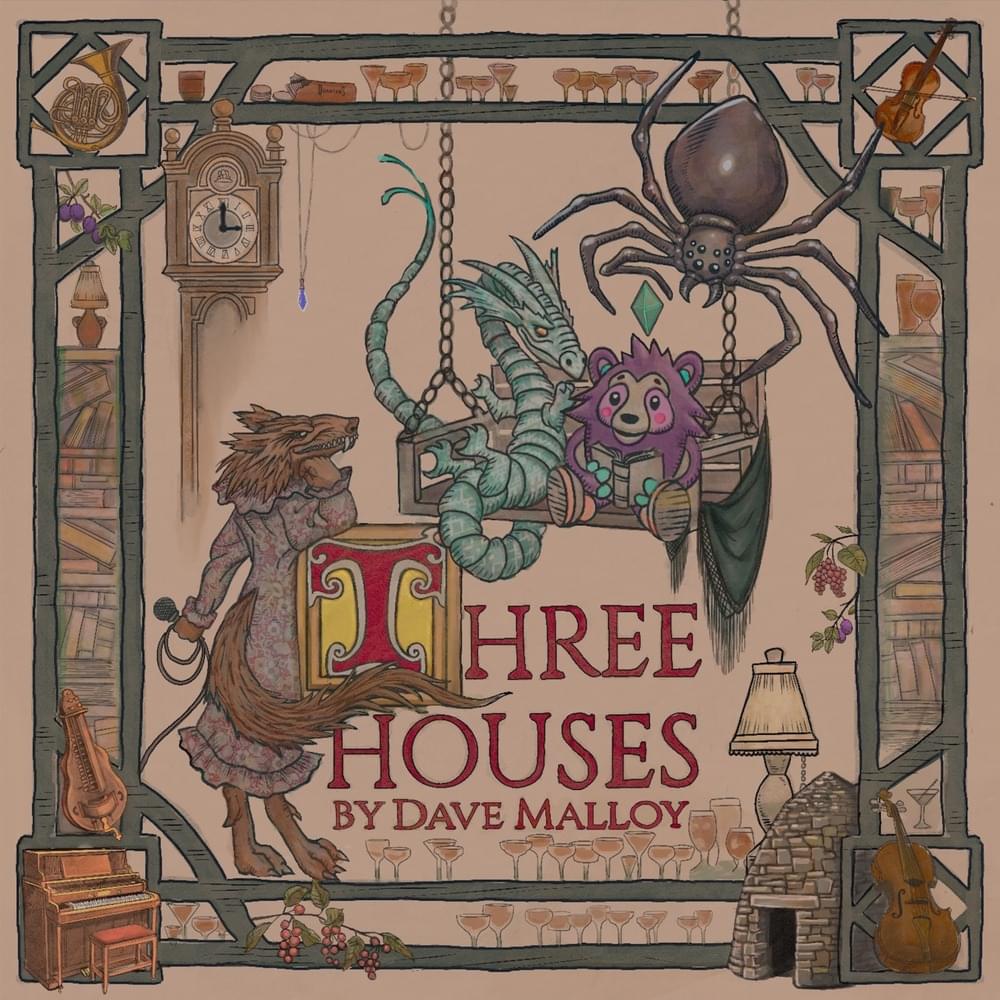
 View Artist