Song Meaning
The lyrics paint a picture of a frustrating, internal struggle where the solution is always just out of reach, hidden within the very barriers that confine the narrator. The repeated phrase "The key is inside the wall" acts as a maddening refrain, suggesting that the answer or escape is intrinsically linked to the problem itself. This creates an immediate sense of being trapped, where every attempt to understand or break free only reinforces the confinement, leading to a feeling of perpetual confusion and helplessness. The narrator seems to be stuck in a loop, unable to grasp the fundamental truth that would unlock their situation.
The central tension arises from the conflict between a desire for liberation and the self-imposed nature of the imprisonment. Phrases like "Lock yourself in" and "Stake out the danger in our heads" point to an internal battle, where the mind itself becomes the prison. The idea of "Confused isolation heroics" and "Glorious idiots of the flesh" suggests a futile, perhaps even self-destructive, attempt to fight against an enemy that is largely conceptual or psychological. The lyrics hint that the perceived external threats or obstacles are actually manifestations of internal states.
The most striking aspect of the writing is the juxtaposition of abstract concepts with visceral, disturbing imagery. The idea of "Dying reveals the wish" and the spectral "seance" are contrasted with the physical reality of "fingers able, just stumps now." This jarring shift from the metaphysical to the brutally physical underscores the painful consequences of this internal conflict. The narrator appears to have made choices or experienced events that have led to a profound loss, a literalization of being unable to grasp what they once could, all while the elusive "key" remains just out of reach.
Ultimately, the effectiveness of these lyrics lies in their ability to evoke a powerful sense of existential dread and futility. The cyclical nature of the narrative, the internal logic of the confinement, and the stark imagery combine to create a feeling of inescapable psychological entrapment. The post-chorus, "You create your own destiny," lands with a heavy irony, as the preceding verses detail a situation where agency seems lost, and the path forward is obscured by the very structure of one's own mind.
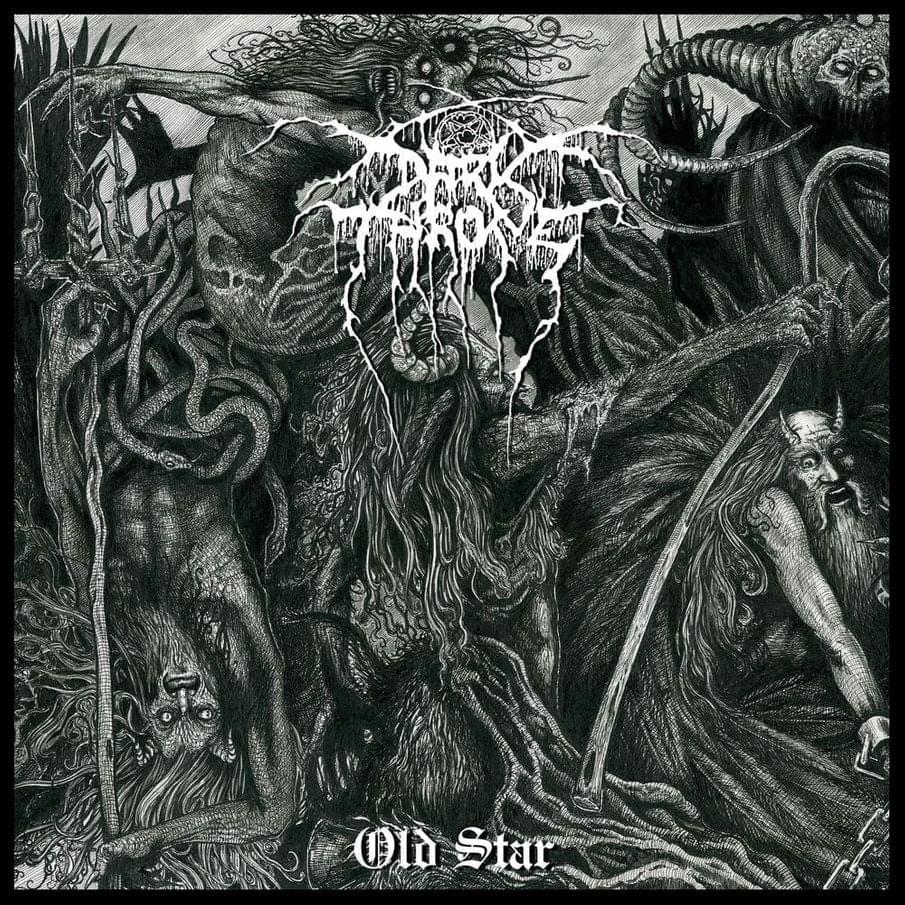
 View Artist