Song Meaning
The lyrics paint a grim picture of a self-imposed, inescapable trap, personified by a "duke of gloat." The narrator seems to be grappling with a past that has led to a present state of decay and regret, feeling "too old to wring the secret from the master." The initial sense of a childhood "well" or guiding light has faded, leaving only a hollow acknowledgment and a feeling of being "not well any longer." This sets a tone of weary resignation.
The core of the song appears to be the "pact of the gloat," a disturbing agreement where a collective effort is made to "repair" things, but one individual is designated to "watch" or gloat over the suffering. This creates a profound lack of freedom, a cyclical misery where effort is futile and joy is twisted into a tool of torment. The "sinister duke of gloat" embodies this malevolent force, orchestrating "eternal laughter" at the expense of others' "wretched fates."
The imagery of "endless futile life toils" and "shrapnel wounds / From shattered inner gargoyles" powerfully conveys the internal damage and the exhausting, pointless struggles the narrator faces. These aren't external battles but deep-seated psychological scars, suggesting the "pact" is not just a social contract but a deeply personal, self-destructive one. The repeated phrase "No freedom in these domains" hammers home the inescapable nature of this self-made prison.
Ultimately, the lyrics resonate through their stark portrayal of a soul trapped in a cycle of suffering and observation, where even attempts at mending are overshadowed by a perverse pleasure derived from witnessing the struggle. The "duke of gloat" acts as a chilling metaphor for the internal critic or the societal force that finds satisfaction in others' misfortunes, leaving no room for genuine escape or peace.
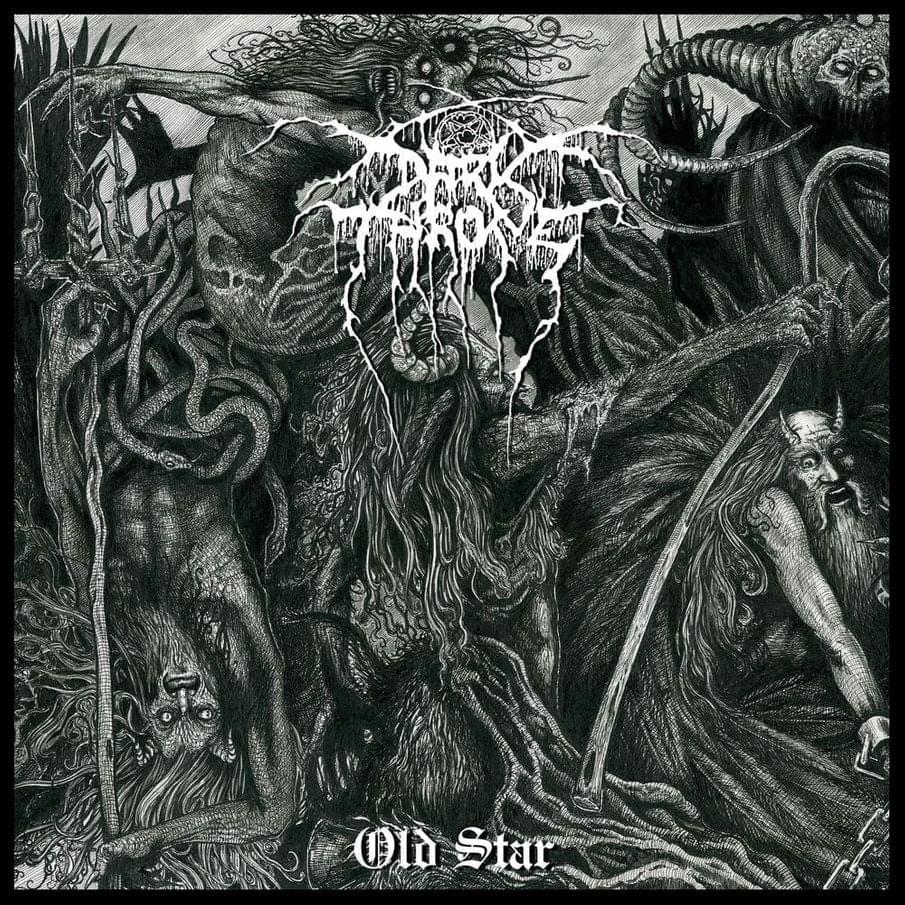
 View Artist