Song Meaning
The lyrics paint a picture of solitary observation and shared sorrow, with the narrator standing by a window late into the night. There's an immediate sense of mirroring another person's experience, stating, "Całą noc tak samo jak Ty" (All night the same as you). This shared state, however, is tinged with a cosmic rejection; the moon itself seems to communicate that "nie dla nas lśni" (it doesn't shine for us), suggesting a destiny or circumstance that separates them from brighter prospects.
The central tension lies in the narrator's profound empathy and simultaneous isolation. The ticking clock and silent bell ("Bije zegar, Cichy dzwon") are heard identically by both the narrator and the implied other, reinforcing their connection. Yet, the narrator's own tears, "Dwie duże łzy / W oczach mam jak Ty" (Two big tears / In my eyes like you), highlight a personal grief that mirrors, rather than alleviates, the other's pain. This creates a poignant loop of shared sadness without resolution.
The bridge introduces a fractured sense of time and ownership, questioning "Kto wie gdzie? / Jest ta noc, Jest ten dzień" (Who knows where? / Is this night, Is this day). The narrator claims "Mój dzień / Twoja noc" (My day / Your night), a stark contrast that seems to define their separate realities even within their shared emotional space. This division between day and night, good dreams and good days, underscores the difficulty of bridging their individual experiences of suffering.
Ultimately, the effectiveness of these lyrics stems from their simple, direct language and the palpable sense of melancholic synchronicity. The repetition of standing at the window and the shared tears creates a powerful, almost hypnotic, atmosphere of longing and empathetic pain. The lyrics don't offer answers but rather capture a moment of profound, quiet shared despair, making the listener feel the weight of that unspoken connection and separation.
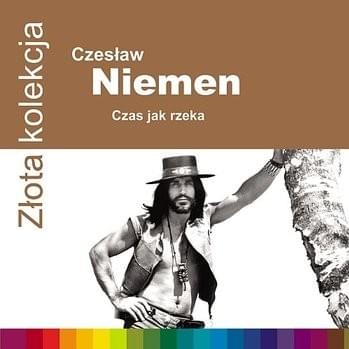
 View Artist