Song Meaning
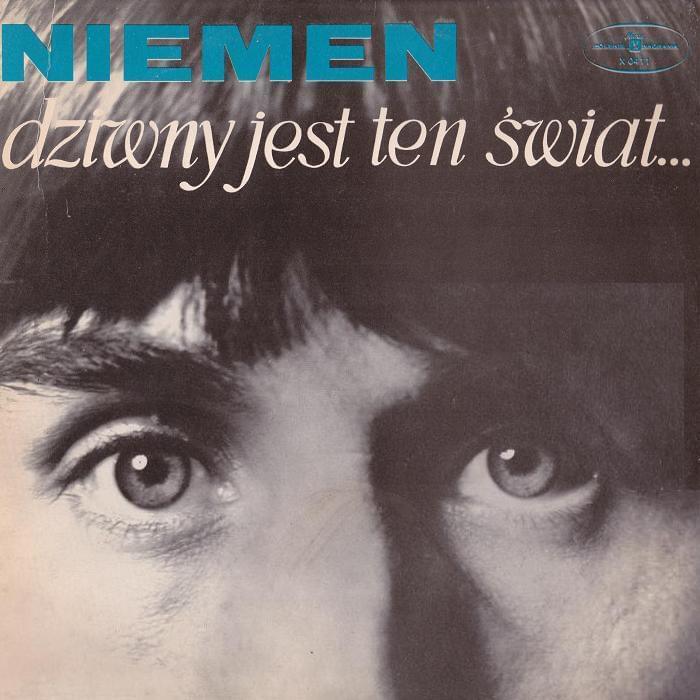
The lyrics paint a stark picture of a world burdened by human cruelty and indifference. The opening lines immediately establish a sense of bewilderment at the persistent presence of "evil" and the long-standing human tendency to "despise" one another. This isn't just a fleeting observation; it's a deeply ingrained pattern that the narrator finds astonishing and shameful. The repetition of "Dziwny jest ten świat" (Strange is this world) acts as a recurring lament, emphasizing the narrator's profound disappointment with the state of human affairs.
The core tension arises from the contrast between the pervasive negativity and the potential for good. The narrator observes how easily people inflict harm, describing how "a bad word kills like a knife," highlighting the destructive power of language and malice. This destructive force is juxtaposed with a powerful, almost defiant, assertion of hope. The lyrics pivot dramatically, stating that "there are more people of good will" and expressing a fervent belief that these individuals are the reason the world will endure. This creates a dynamic push-and-pull between despair and optimism.
The most striking element is the direct, almost urgent, call to action in the final lines. After the repeated "Nie! Nie! Nie! Nie! Nie!" (No! No! No! No! No!) – a forceful rejection of the negative – the narrator declares, "The time has come, the highest time / To destroy hatred within oneself." This shift from observation to personal imperative is powerful. It suggests that the antidote to the world's strangeness and evil isn't external change alone, but an internal revolution against hatred, driven by the "people of good will."
 View Artist