Song Meaning
The lyrics paint a vivid picture of someone caught in a miserable downpour, waiting for a date. "Leje, leje deszcz" and "wieje, wieje wiatr" immediately establish a harsh, uncomfortable scene. The speaker's impatience builds, turning a simple rendezvous into an ordeal. Yet, the arrival of the awaited person instantly transforms the entire experience.
The central tension here is the battle between the relentless, unforgiving weather and the speaker's emotional state. The physical discomfort—rain dripping "na nos," wind blowing "pod płaszcz"—mirrors a growing frustration, leading to an exasperated "Do dia... diabłów stu!" The wait feels endless and increasingly personal, as if the weather itself is conspiring against the meeting.
A particularly effective craft choice is the recurring stuttering, which evolves to reflect the speaker's shifting emotions. Initially, "Na ra... na ra... rendez-vous" conveys a nervous anticipation. Later, "Drżę jak li... listek bzu" emphasizes physical cold and vulnerability. But the most striking use comes at the end: "Już cie... już cie... cieplej mi," repeated three times, transforms the stutter into an expression of overwhelming relief and warmth, directly contrasting the earlier shivers.
These lyrics effectively capture the profound impact another person can have on our perception of reality. The external misery of the storm doesn't disappear, but the internal world of the speaker is completely reordered by the date's arrival. It's a testament to how human connection can make even the most "podły dzień" feel suddenly, wonderfully warm.
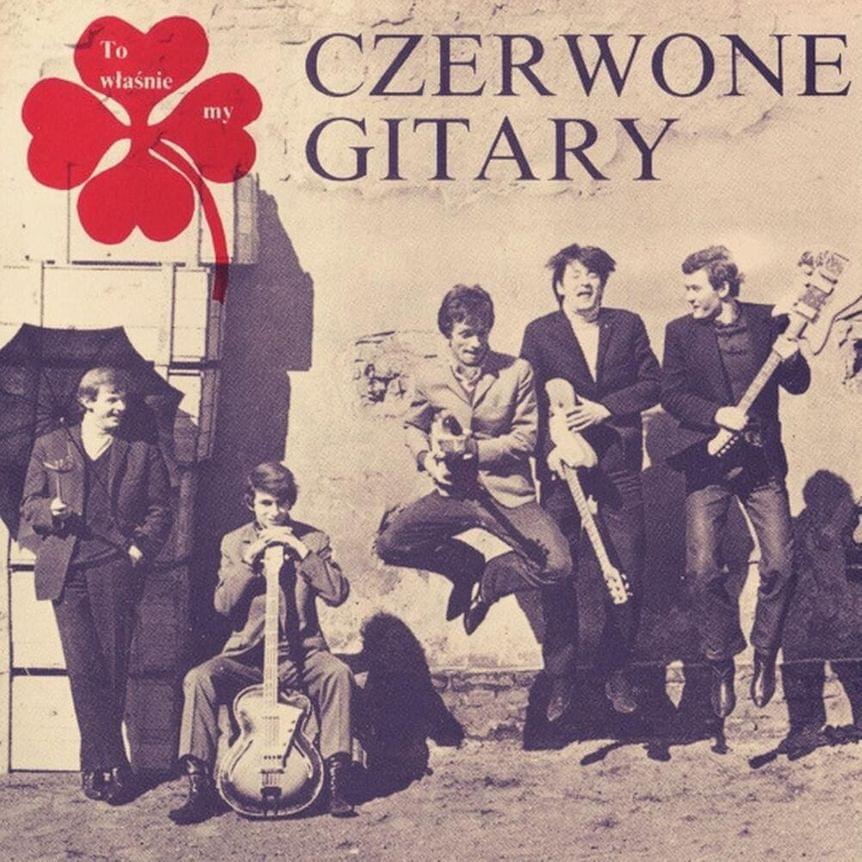
 View Artist