Song Meaning
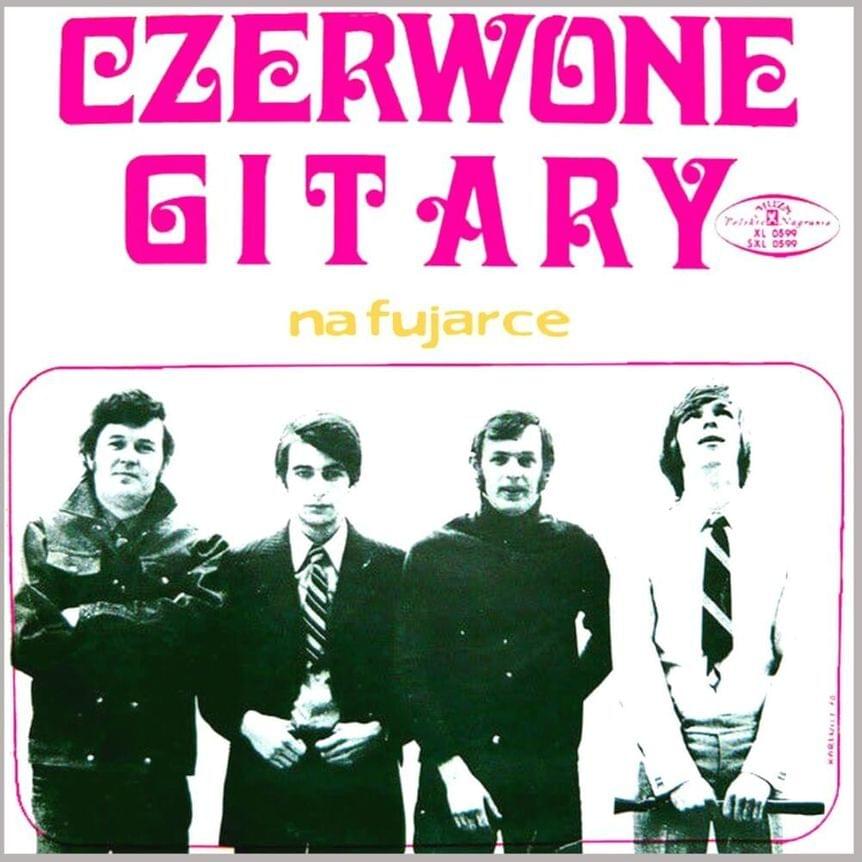
The lyrics paint a picture of a quiet, sleeping village, where even nature seems to be at rest. The opening lines establish a tranquil, almost idyllic scene: "Wioska śpi w łanach zbóż" (The village sleeps in fields of grain), with a hedgehog dozing off and the wind falling silent. This stillness is abruptly broken by the sound of someone playing a flute, or "fujarka," in a ditch on the edge of town. The contrast between the pervasive quiet and this solitary, unexpected music immediately sets up a tension.
The central conflict arises from the clash between tradition and modernity, or perhaps between conformity and artistic expression. The narrator expresses frustration, asking "Jak tu na fujarce można grać, no jak?" (How can one play the fujarka here, how?). This question is amplified by the claim that the village has embraced progress: "Bo z postępem idzie wieś / Kino jest i aktywny music club" (Because the village goes with progress / There's a cinema and an active music club). The implication is that this simple, perhaps old-fashioned, flute playing doesn't fit into the village's new, presumably more sophisticated, cultural landscape. The musician, however, dismisses this, declaring, "Mówi, że to underground" (He says it's underground).
The most striking aspect of the lyrics is the narrator's insistent plea for the music to stop, framed as a demand for conformity. The repeated "Przestań już" (Stop it now) is coupled with justifications like "Nie wypada dzisiaj grać" (It's not proper to play today) and "Awangardę trzeba znać" (One must know the avant-garde). This is ironic, as the narrator seems to be advocating for a different kind of conformity – one that embraces a perceived modern, avant-garde aesthetic, while dismissing the musician's own claim of being underground. The narrator's desire for silence is rooted in the belief that "Wszyscy śpią, więc śpij i Ty" (Everyone is sleeping, so you sleep too), highlighting a desire for universal quietude that clashes with the musician's persistent playing.
Ultimately, the effectiveness of these lyrics lies in their subtle portrayal of a common tension: the struggle between established order and individual expression, even when that expression is simple or unconventional. The narrator's exasperation and attempts to rationalize their demand for silence, while the musician quietly insists on their
 View Artist