Song Meaning
This track paints a picture of a relationship where the narrator feels a profound mismatch in affection. The object of his desire is described as the "scream of fashion," a "mini-face" with "mini-freckles," and later, a "mini-heart." This constant emphasis on "mini" suggests a perceived smallness or superficiality in her feelings, which directly contrasts with the narrator's own grand, almost overwhelming vision of love. He sees her as a "traitor" who "tempts" him daily with these small gestures, setting up the central conflict.
The core tension lies in the narrator's expectation of immense, powerful love versus the "minimal" affection he receives. He states, "She loves, but little, but mini," and this "mini" love is the "bone of contention" in their relationship. It's clear he desires a love as vast as "the power of storms," "the might of gales," and "the endlessness of seas," comparing it to "the peaks of mountains." This grand scale of love he envisions makes her "mini" affection feel like a deliberate slight, causing him "despair."
The most striking lyrical device is the relentless repetition of "mini" and its variations, directly juxtaposed with the expansive, almost hyperbolic descriptions of love in the chorus. The narrator uses "mini" to describe her face, her freckles, her heart, and the extent of her love. This linguistic choice hammers home his perception of her emotional economy. The chorus, with its powerful natural imagery, serves not just as a declaration of his own capacity for love, but as a stark, almost accusatory comparison to the diminutive feelings he perceives from her.
Ultimately, the effectiveness of these lyrics stems from this stark contrast and the narrator's earnest, if somewhat dramatic, expression of unmet emotional needs. The "mini" descriptors create a tangible sense of disappointment, while the chorus elevates his own feelings to an epic scale. It’s this gulf between his grand romantic ideals and the perceived smallness of her affection that makes his "despair" feel so potent and relatable, even as the "la-la-la" outro offers a strangely detached, almost resigned, conclusion.
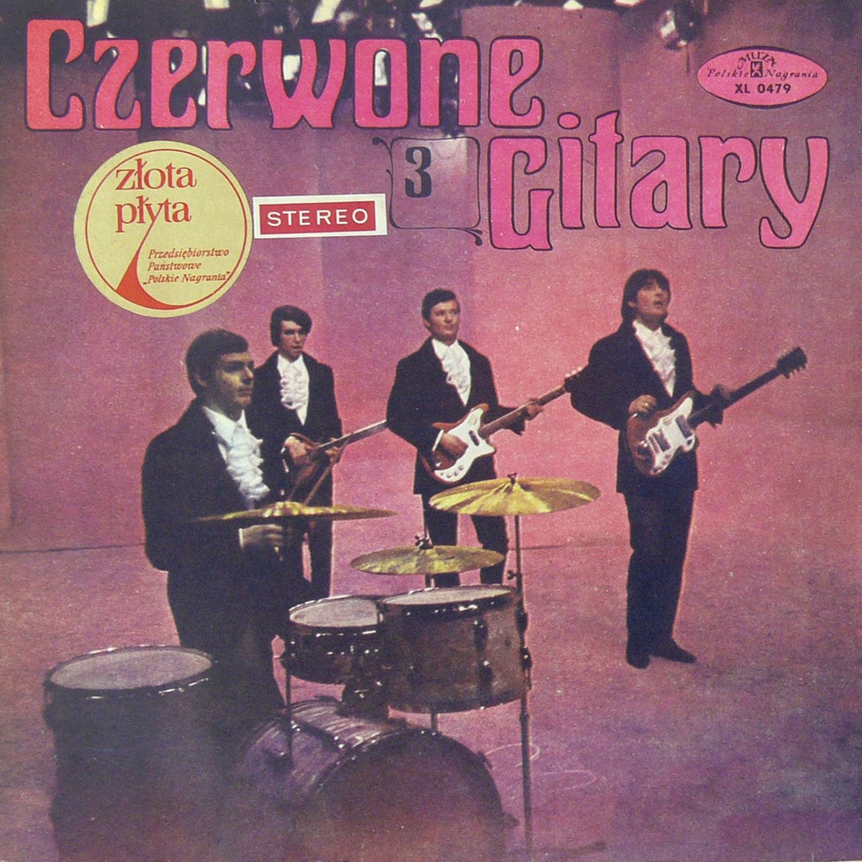
 View Artist