Song Meaning
This carol paints a stark, yet radiant, picture of the Nativity. The scene is set in a humble, poor stable, described as "mizerna cicha stajenka licha" – a meager, quiet, shabby manger. Yet, this humble setting is simultaneously "pełna niebieskiej chwały" (full of heavenly glory). The central image is the infant Jesus, "Jezus mały," lying asleep, bathed in light, a profound contrast between his lowly surroundings and divine essence.
The lyrics highlight the reaction of the "ludzie ubodzy" (poor people) who come to witness the Lord. They are "radzi oglądać Pana" (glad to see the Lord), filled with inspiration and certainty of salvation, falling to their knees. This emphasizes a spiritual richness found in poverty, where faith and devotion are paramount. The sleeping child is further described as "dziecię promienne" (radiant child) with "uśmiechy" (smiles) on his small lips, suggesting an inner peace and divine promise even in infancy.
The most striking element is the juxtaposition of extreme poverty and overwhelming divine presence. The "ubogiej strzechy" (poor thatch) of the stable contrasts with the "niebieskiej chwały" and the "promienne" (radiant) nature of the child. The final stanza directly addresses "ludzie prości" (simple people), proclaiming that God is visiting them, ending their time of hardship. It offers a message of hope: "On daje siebie, chwała na Niebie, Pokój ludziom dobrej woli" (He gives himself, glory in Heaven, Peace to people of good will).
This carol’s power lies in its ability to find immense spiritual significance within material scarcity. The simple, direct language and the focus on the humble setting and humble observers create a deeply affecting portrayal of divine grace entering the world in its most unassuming form. The lyrics suggest that true glory and peace are not found in worldly possessions but in faith and divine presence.
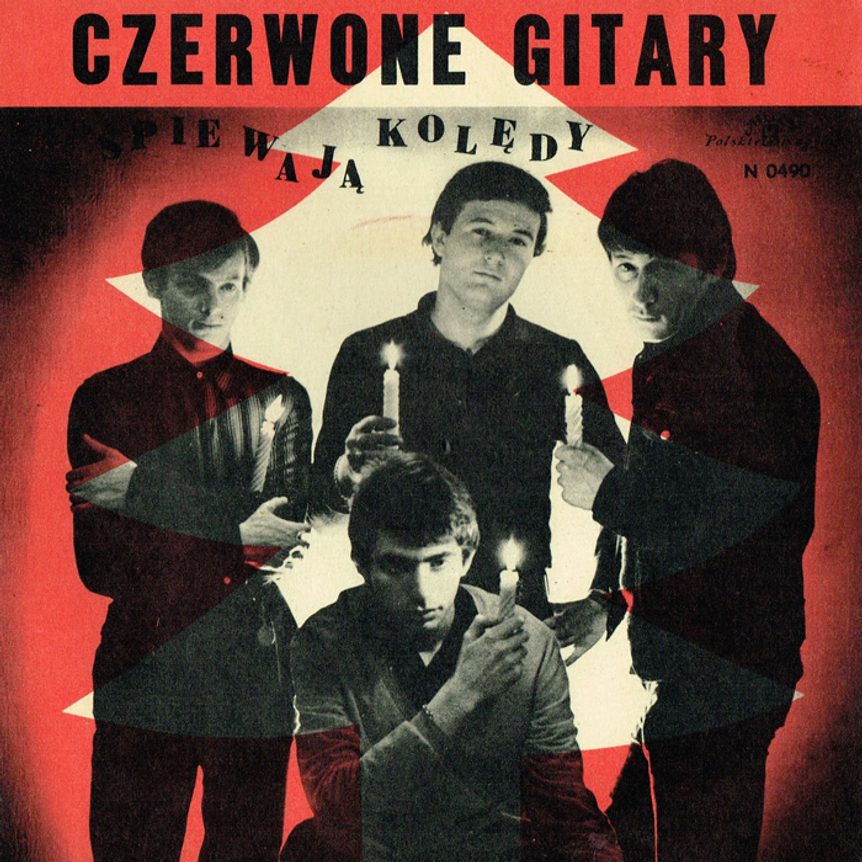
 View Artist