Song Meaning
The lyrics paint a pastoral scene, tinged with the melancholy of impending separation. The narrator observes the natural world – blooming hawthorn, migrating cranes, descending mists – signaling a time to move towards the mountains. This transition from the valley to the highlands marks the beginning of a solitary journey, where sheep are driven to higher pastures and the narrator will be left to count stars alone in quiet, cloudless nights. The imagery of nature's cycles directly mirrors the personal cycle of departure and solitude.
The central tension arises from the forced separation inherent in the shepherd's life. The narrator acknowledges, "Znów się rozstać przyjdzie nam" (We will have to part again), highlighting a recurring theme of goodbyes tied to seasonal migration. This physical distance creates an emotional void, filled only by solitary contemplation and the longing for connection, as the narrator will "Będę gwiazdy liczył sam" (I will count the stars alone).
A striking craft element is the recurring motif of the "żurawi klucz" (crane's key, referring to their V-shaped flock formation). It first appears in the sky, signaling the need to depart, and later reappears in the narrator's thoughts, carrying their longing "hen, do Ciebie" (far away, to you). This natural image becomes a vehicle for the narrator's emotions, suggesting that just as cranes migrate together, their thoughts and affections travel across the distance to a loved one.
This ballad's effectiveness lies in its gentle, evocative language and the subtle weaving of the natural world with personal sentiment. The contrast between the vast, indifferent beauty of the mountains and valleys and the intimate ache of longing creates a poignant atmosphere. The final lines, promising a swift return "jak halny wiatr" (like the Foehn wind) and comparing the rush to "stada chmur po niebie" (flocks of clouds across the sky), powerfully convey the urgency of the narrator's desire to reunite with their beloved.
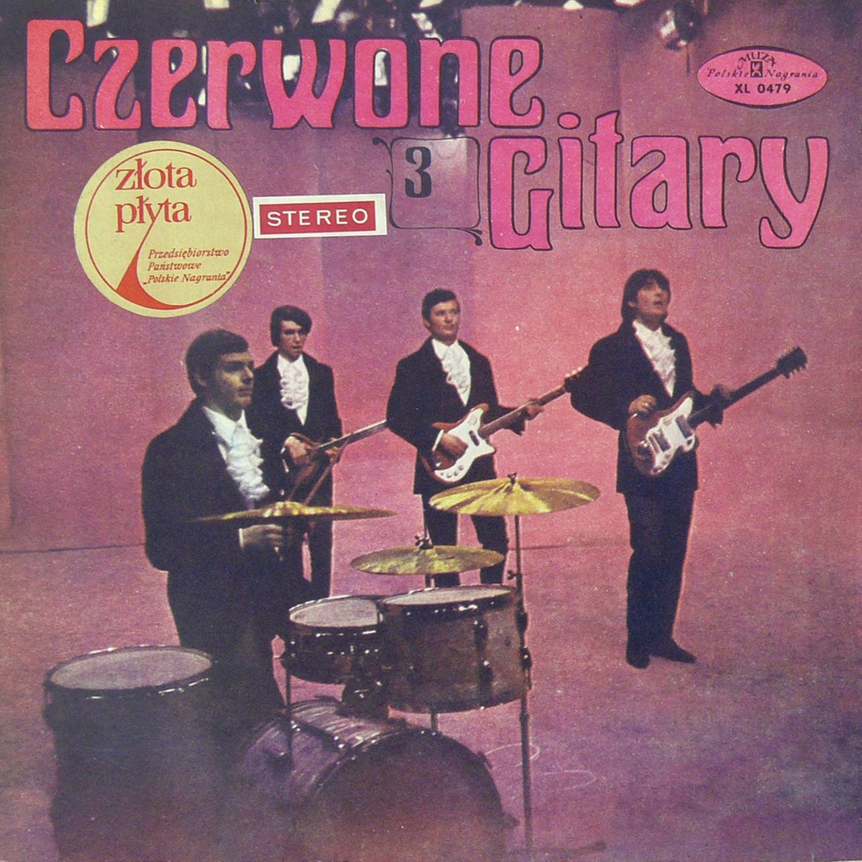
 View Artist