Song Meaning
The lyrics paint a vivid sensory portrait of a river, emphasizing its alluring, almost intoxicating presence. The repeated declaration, "É doce" (It's sweet), transforms the river from a mere natural element into something deeply desirable and captivating. This sweetness isn't just a pleasant aroma; it's a pervasive quality that draws the narrator in, suggesting a powerful, almost irresistible attraction.
The central tension arises from this intense sensory experience and the narrator's passive yet deeply engaged observation. The narrator "follows its beauty," "its curves," and "its nature," but the most striking interaction comes in the repeated refrain: "Dançando na minha frente sinto sua respiração / O brilho de suas águas escorrega nas minhas mãos." This suggests a profound connection, a feeling of the river's life force being palpable, almost tangible, yet still just out of reach, like water slipping through fingers.
The most compelling aspect of the writing is the way it personifies the river, imbuing it with a breath and a dance that the narrator can feel and see. The repetition of the chorus, especially the lines about dancing and breathing, amplifies this sense of an intimate, ongoing encounter. The spoken interjections, "Arrocha!" (Squeeze/Tighten!), add a layer of urgency and physical intensity, as if the narrator is being pulled into a passionate embrace by the river's sweetness.
Ultimately, these lyrics resonate because they translate a powerful, almost primal attraction into concrete sensory details. The sweetness, the breath, the slipping water – these aren't abstract concepts but visceral experiences. The writing crafts a feeling of being utterly captivated by something beautiful and alive, a natural force that feels both intimately close and tantalizingly elusive.
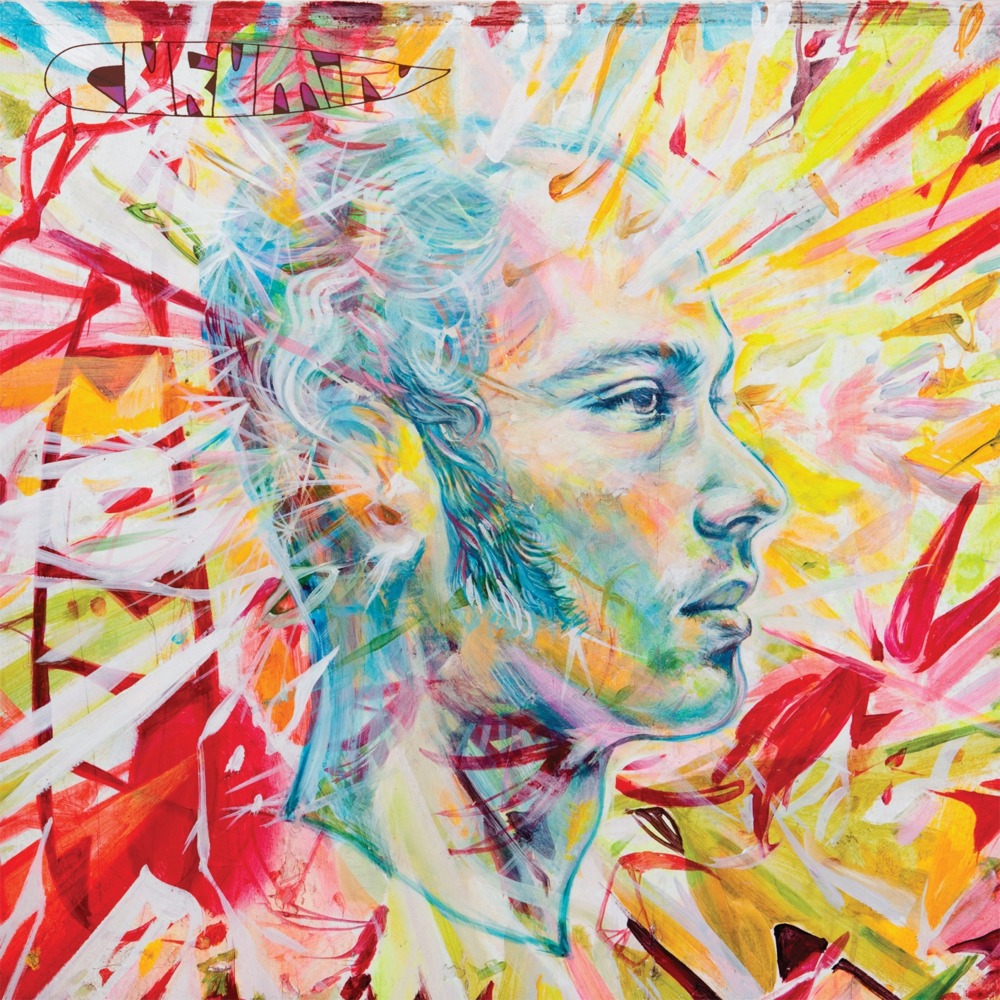
 View Artist