Song Meaning
From a city window, the lyrics paint a stark picture of relentless motion and profound weariness. People "Vêm e vão" in an endless, almost hypnotic cycle, while the narrator sighs with a simple, almost childlike resignation: "Ai, que sono / Ai, que sol." This opening establishes a scene of mundane observation infused with a deep, pervasive fatigue.
The external environment quickly mirrors an internal state of intense pressure. The sky is "apertando, tá pressionado," a visceral image of constriction that extends to the suffocating smoke which "comprime o teu inspirar." This physical oppression is directly linked to an inner urgency, a "pressão de quem não quer mais esperar," suggesting a desperate longing for change or release that never arrives. Dreams diminish, and the distinction between "Noite e dia" blurs, signaling a profound loss of hope and purpose.
Perhaps the most striking image arrives with the question, "A roda viva te engoliu, cadê tua alma?" The "living wheel" is a powerful metaphor for the relentless grind of urban existence, a force that consumes identity. The narrator then observes the hurried masses, "gente que caminha apressada / Sem saber direito para qual lugar," highlighting a collective aimlessness. They are "tropeçando no destino," suggesting a lack of agency, their tired bodies moving out of sheer, weary insistence.
These lyrics are effective because they blend the mundane with the existential, making a universal feeling of urban alienation palpable. The repetition, the direct address, and the vivid, oppressive imagery create a sense of being trapped in a relentless cycle. The simple, almost resigned exclamations of "Ai, que sono / Ai, que sol" bookend a deep dive into the soul-crushing reality of a life lived on autopilot, leaving the listener to ponder the cost of such a hurried existence.
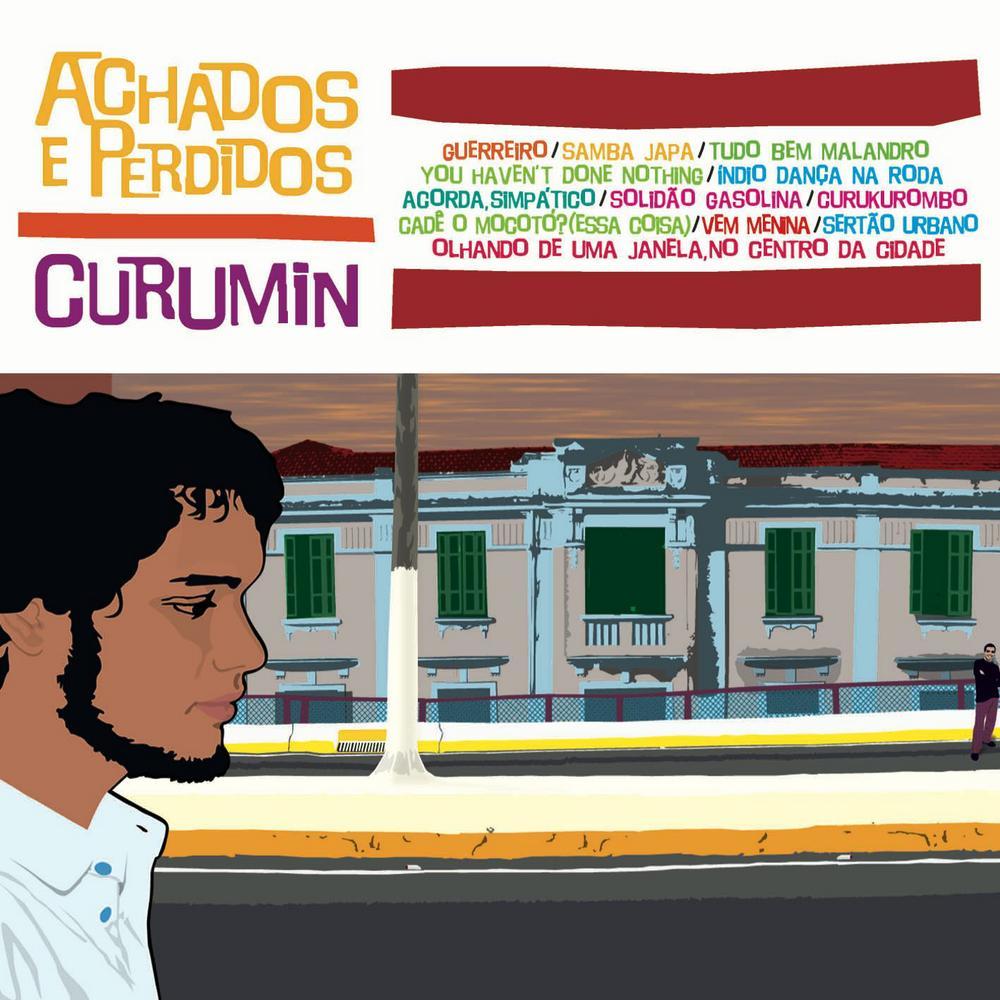
 View Artist