Song Meaning
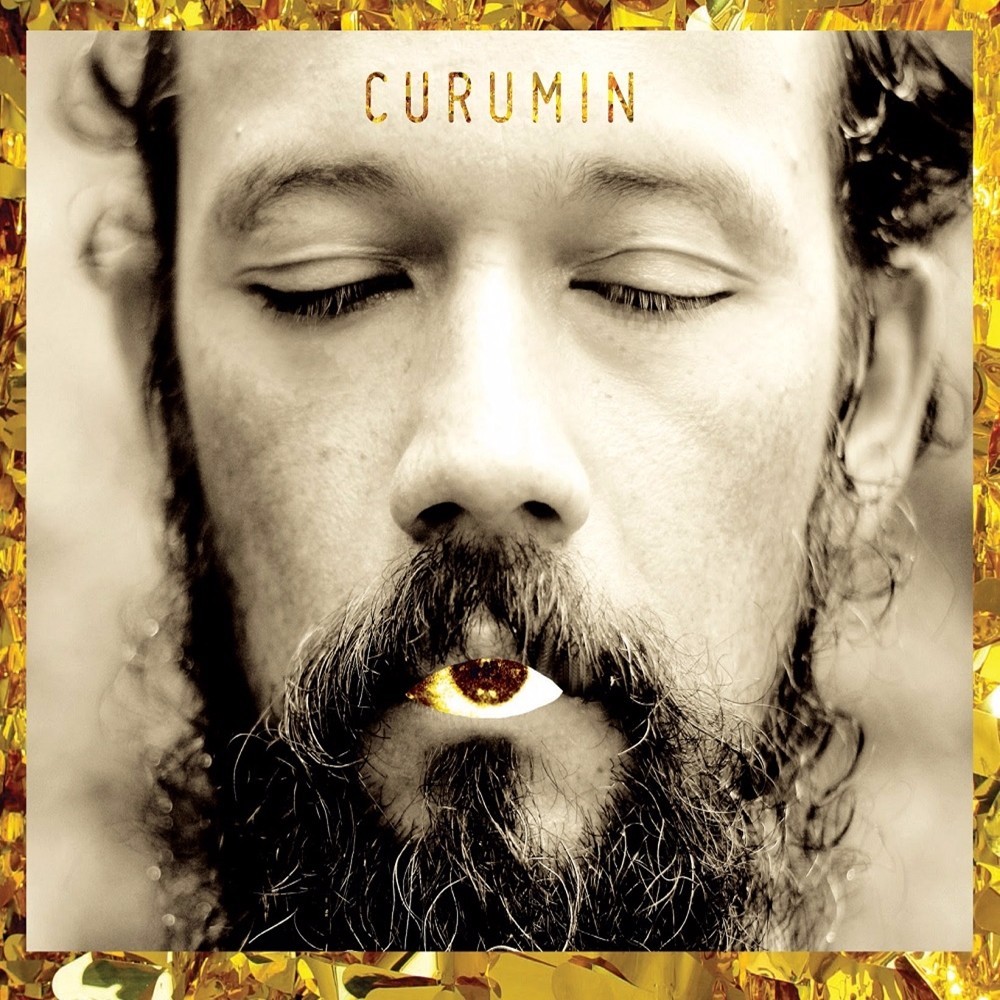
The lyrics paint a vivid, almost synesthetic picture of a mouth, repeatedly described as "Boca de groselha" (guava mouth). This mouth is characterized by its tendency to "Me fala besteira" (tell me nonsense), creating an immediate tension between the sweet, fruity imagery and the unreliable or nonsensical speech. The repetition of this phrase establishes a playful yet slightly disorienting tone, suggesting a fascination with the speaker's words, even if they lack substance.
The imagery shifts to a sensory explosion of fruits and sweet things: "Babosa, banana," "Pinta manga, manga," "Castelo caramelo." This creates a rich, almost childlike landscape of taste and texture. The phrase "Boca oca loca" (empty crazy mouth) further plays on the idea of a mouth that is full of sensation but perhaps hollow in meaning. The connection between the sweet, vibrant imagery and the nonsensical speech suggests a deliberate blurring of pleasure and meaninglessness.
The lyrics introduce a shift with "Entreabertos lábios" (half-open lips) and "Transbordando atos" (overflowing acts), hinting at a more physical or performative aspect. This is followed by the insistent repetition of "Deu brecha" (gave an opening/gap) and "Deu bandeira" (gave a flag/signal), which builds a sense of anticipation or revelation. These phrases suggest that despite the nonsensical talk, there's an underlying action or vulnerability being exposed, a crack in the facade.
Ultimately, the effectiveness of these lyrics lies in their masterful use of sensory language to create a complex emotional state. The juxtaposition of sweet, almost decadent imagery with the idea of nonsensical speech and exposed vulnerability makes the "Boca de groselha" a compelling, enigmatic figure. The listener is drawn into a world where pleasure and meaning are intertwined, and where even nonsense can feel significant.
 View Artist