Song Meaning
The lyrics paint a picture of someone observing another person trapped in their own world. The initial imagery of a "dragonfly" arriving suggests a delicate, perhaps fleeting presence, hovering just out of reach. There's a palpable sense of longing, a desire for connection that’s repeatedly expressed through the hopeful refrain, "Yes, there's always a way / To end this isolation." This hopeful insistence clashes with the stark reality presented later: "I am alone."
The central tension lies in the narrator's desperate attempt to bridge the gap between themselves and the other person. They see potential for connection, believing "you might / Open up your heart," and pleading, "If you could open it up / You could connect it to us." The narrator is actively searching for a sign, trying "to find a sign / Of another life," but the other person remains elusive, seemingly unwilling or unable to reciprocate the desire for connection. This creates a dynamic of one-sided yearning against a backdrop of perceived emotional distance.
The most striking craft element is the contrast between the expansive, almost cosmic imagery used to describe the potential of the other person and the intimate, grounded plea for connection. The narrator envisions them rising "Like the Milky Way / On a luminous night," suggesting immense, untapped potential. Yet, this grand vision is juxtaposed with the painfully simple, yet insurmountable, barrier: "One step away from everyone." The repeated phrase "open up your heart" acts as a focal point, a simple action that holds the key to breaking the isolation, but remains just out of reach.
Ultimately, the effectiveness of these lyrics stems from their portrayal of a deeply felt, yet unfulfilled, desire for connection. The narrator’s earnest attempts to reach out, their patient observation, and their unwavering belief in the possibility of the other person's change create a poignant emotional landscape. The simple, direct language, especially the repeated calls to "open up your heart" and the refrain about ending "isolation," makes the yearning feel immediate and relatable, even as the specific circumstances remain somewhat abstract.
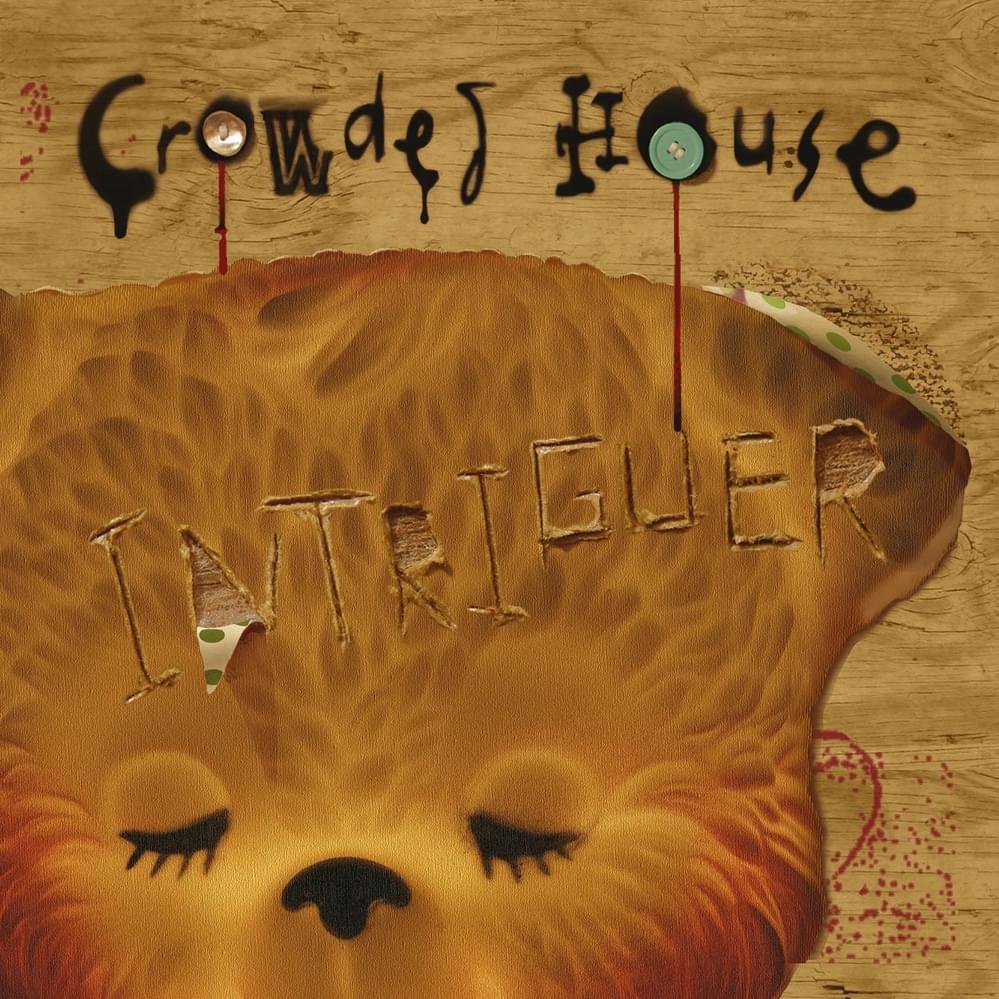
 View Artist