Song Meaning
The lyrics paint a picture of a life lived erratically, tossed by external forces like a "spark" in a "wildfire." The narrator grapples with the immense power of small actions, where a "loose word" can spark revolution while a "kind act" can earn gratitude from "armies." This sets a tone of precarious existence, where cause and effect feel both overwhelming and unpredictable.
The central tension emerges around a relationship, personified by the "Falling dove." This figure, seemingly found and nurtured, is now in a state of vulnerability, "barely breathing." The narrator pleads for belief, asking "Do you believe in us," and acknowledges the other's unwavering support even when the narrator is "behaving badly." This devotion is framed as potentially excessive, "love me too much."
The writing crafts a powerful sense of fragile hope through contrasting imagery and a narrative arc. The initial chaos of wildfire gives way to the image of a dove, a symbol of peace, yet it's a "falling dove." The narrator's plea for belief and the mention of "redemption" and "finding a use" suggest a desperate attempt to stabilize this fragile connection. The shift to a specific, almost cinematic scene in "Moscow station" and "St. Petersburg" culminates in a dramatic reversal: from being a "dead man" to seeing "her walk through," implying salvation through this relationship.
What makes these lyrics resonate is their exploration of how profound emotional stakes can be built from seemingly simple, yet potent, observations. The juxtaposition of grand concepts like revolution and redemption with intimate pleas and vulnerable states like "barely breathing" creates a compelling emotional landscape. The narrative's movement from abstract forces to a concrete, life-or-death rendezvous underscores the immense value placed on this specific connection, making the final reveal of the beloved's arrival deeply impactful.
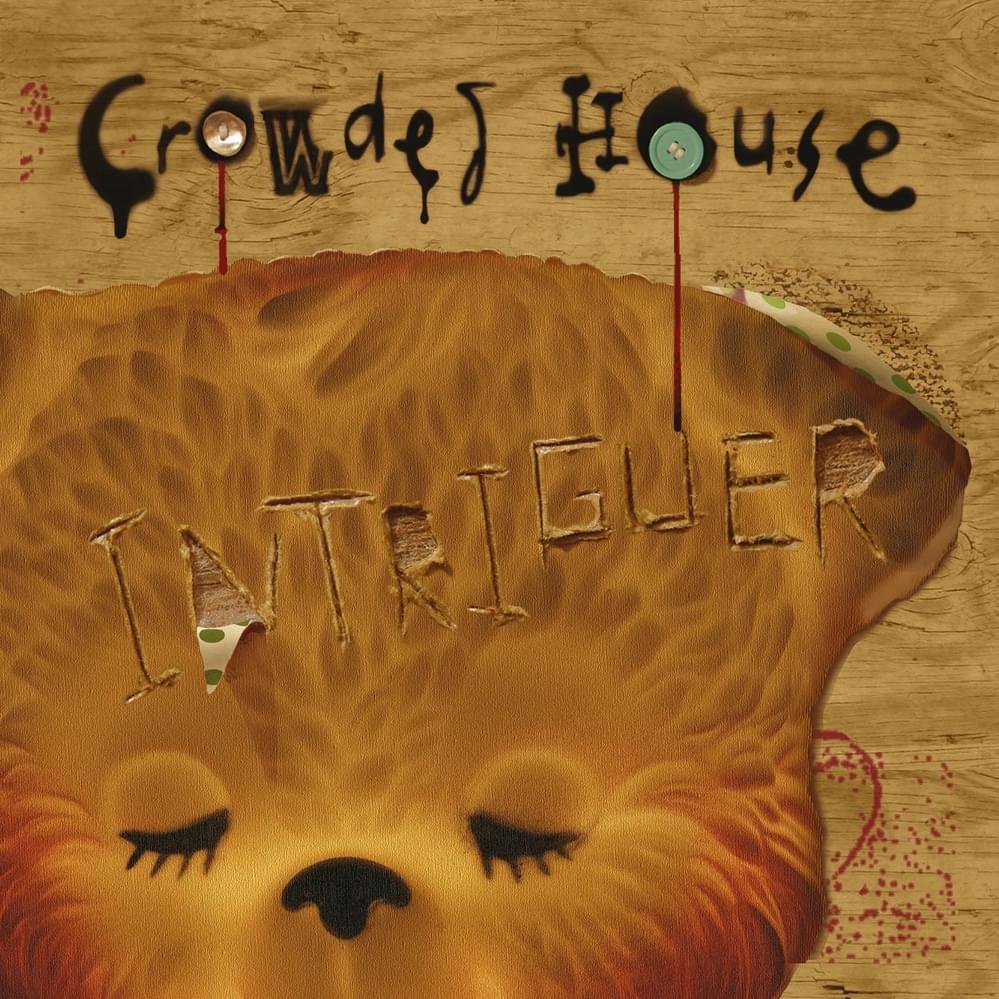
 View Artist