Song Meaning
The lyrics paint a picture of love as something transient and elusive, a "nomadic love" that's "vagabond." It's compared to a "dirigible toward the horizon," suggesting a beautiful but ultimately distant and perhaps unattainable ideal. This initial portrayal sets a tone of gentle melancholy, where love is more of a fleeting concept than a grounded reality.
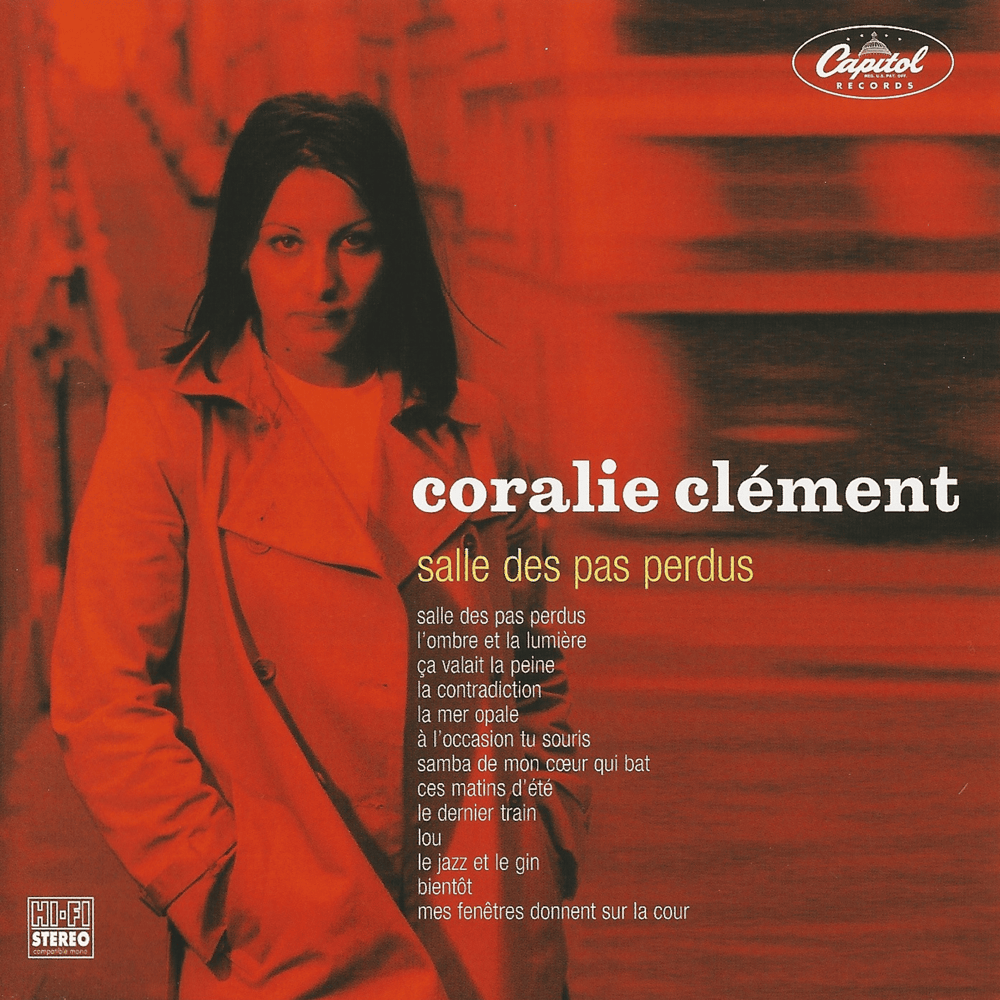
This sense of impermanence is further emphasized by the contrast between past commitments and present disillusionment. The narrator mentions "pacts sealed that we had broken" and "ideas we thought received," hinting at a history of broken promises and shattered expectations. Yet, amidst this, there's a striking image: "The moon is pale / And its reflection in the opal sea / Shines in the distance." This moment offers a glimmer of peace, a feeling of being "bien" (well/good) despite the underlying fragility.
The writing cleverly juxtaposes different facets of love, from the "bohemian love" that "doesn't care deep down" about disappointments to the "supreme love" that is "vain" and a "double game." These descriptions suggest that love, in its various forms, is often characterized by a certain detachment or even self-deception. The recurring refrain, "The moon is pale / And its reflection in the opal sea / Shines in the distance. / We are well. / Shines in the distance. / We are well," acts as an anchor, offering a moment of serene acceptance that transcends the complexities and potential pitfalls of love.
Ultimately, the effectiveness of these lyrics lies in their ability to evoke a complex emotional landscape with simple, evocative imagery. The "opal sea" becomes a metaphor for a beautiful, shimmering surface that might mask deeper uncertainties, yet the repeated affirmation of "On est bien" suggests a quiet contentment found in the present moment, a peaceful resignation to love's ephemeral nature.
 View Artist