Song Meaning
These lyrics plunge us into the raw, disorienting aftermath of a breakup, where the speaker is caught in a loop of memory and pain. They hum a former lover's song, grappling with abandonment and a profound, self-aware loss of reason.
The central tension here is the speaker's explicit acknowledgment of "toute la contradiction" – the heart's stubborn refusal to align with logic. This internal battle is amplified by the constant, almost desperate address, "Mon amour mi corazon," revealing an enduring, painful attachment despite the lover's absence and the speaker's own spiraling thoughts.
A striking craft element is the wildly shifting portrayal of the abandoned lover. Initially idealized, they are likened to revered poets like "Apollinaire" or "Prévert," only for these lofty comparisons to be sharply rejected: "Tu n'es pas Victor, ni Hugo." This culminates in the bitter declaration, "Tu es le diable en personne," which is immediately undercut by the mundane image of them casually sipping "un diabolo / Seul au bord de l'eau." This rapid oscillation between reverence, denial, and sharp accusation perfectly illustrates the speaker's descent into "déraisonne."
These lyrics hit hard because they refuse to simplify the messy reality of heartbreak. By directly quoting Pascal's "Le cœur a ses raisons / Que la raison ignore" and then embodying that truth through the speaker's own spiraling thoughts, the writing captures the irrational, obsessive grip of love lost. The stark contrast between the speaker's internal chaos and the lover's seemingly calm, solitary existence creates a poignant, almost unbearable sense of unrequited emotional turmoil.
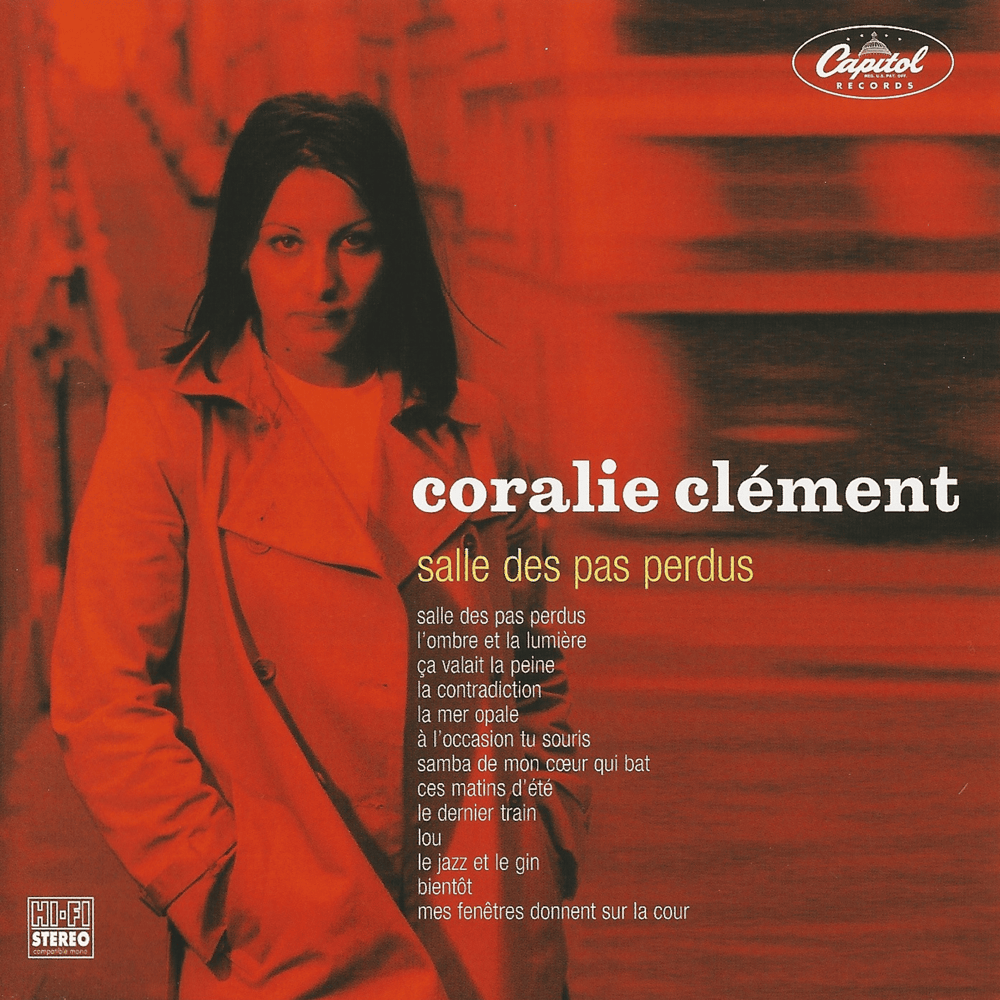
 View Artist