Song Meaning
Connie Francis's "Maybe Baby" isn't just a saccharine slice of early 60s pop; it's a masterclass in the psychology of hope, denial, and the agonizing limbo of unrequited affection. The song’s simplicity, both musically and lyrically, belies a complex emotional landscape familiar to anyone who's ever been hopelessly hung up on someone who just doesn't seem to notice. The central lyrical hook, "Maybe baby, I'll have you," becomes less a statement of intent and more a desperate mantra, a self-soothing incantation against the crushing reality of indifference.
The underlying tension in “Maybe Baby” stems from the stark contrast between the singer's idealized vision of the relationship (“you are the one that makes me glad”) and the painful present (“you don't care, you never listen to my prayer”). This gap fuels the 'maybe' narrative, a fragile shield constructed to protect against the full force of rejection. The repeated, almost childlike, "da da ta da" sections provide an interesting sonic counterpoint, perhaps representing the internal distractions or fleeting moments of escape the singer uses to cope with her yearning. The raw, almost primal, "Aughaaa" interjection is a fascinating and rare moment of unfiltered emotion breaking through the otherwise polished facade.
Ultimately, “Maybe Baby” resonates because it taps into the universal experience of longing. It's about the stories we tell ourselves to keep hope alive, even when the evidence suggests otherwise. The promise to “be there, wait and see” is not necessarily an act of strength, but rather a poignant declaration of vulnerability. Connie Francis doesn't offer a triumphant resolution; instead, she captures the bittersweet reality of holding onto a dream, however improbable, because the alternative – facing the truth – is simply too painful to bear. The song's enduring appeal lies in its honest portrayal of this delicate emotional balancing act.
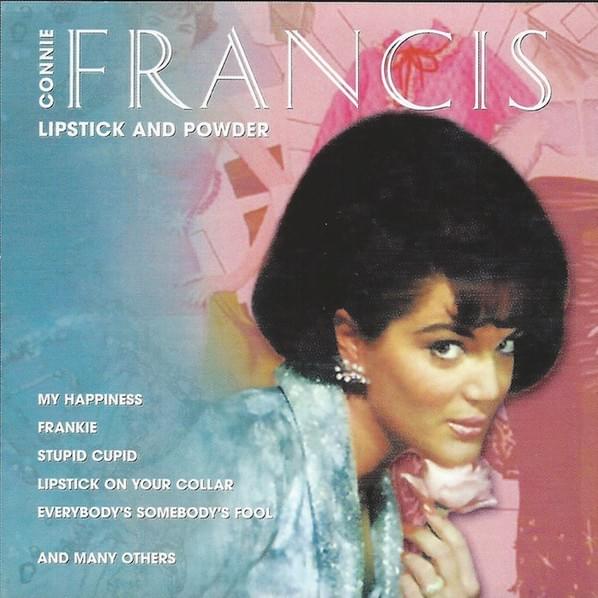
 View Artist