Song Meaning
Connie Francis's "Mama" isn't just a sentimental ballad; it's a deeply resonant exploration of maternal love as an anchor in a transient world. The song meaning hinges on the push-and-pull between past security and present longing. Francis opens with imagery of fading light, immediately establishing a sense of nostalgia and perhaps even loss. The 'evening shadows' and the 'lovely day' that's 'through' aren't merely temporal; they represent a bygone era of closeness and unwavering support embodied by the mother figure. It's a psychological return to the primal bond, where the mother's presence equates to safety and completeness. In essence, the singer seems to be grappling with separation, seeking solace in memories. The lyrics suggest the mother may be deceased or inaccessible, which adds a layer of poignancy to the expression of love. The repeated phrase "until the day that we're together once more" indicates a desire for reunification, whether in this life or the next.
The chorus, delivered in Italian, elevates the song beyond simple filial piety. The direct address – "Mama, solo per te la mia canzone vola" (Mama, only for you my song flies) – emphasizes the uniquely powerful connection. The lyrics articulate a devotion so profound it transcends everyday language. The lines 'quanto ti voglio bene' and 'Queste parole d'amore/Che ti sospira il mio cuore' speak to a love so pure and innate, it exists outside the realm of modern expression. There's an acknowledgement that such open displays of affection ('Forse non si usano più') are perhaps outdated, yet Francis insists on their validity and importance. The chorus underscores the central theme: the mother is not just a figure of love, but the very essence of life itself ('Sei tu la vita').
The second verse reinforces the idea of maternal love as a divine gift. The 'glow of your love' is 'sent from the heavens above,' imbuing the mother with an almost saintly quality. This idealized portrayal speaks to a deep-seated human need to view our caregivers as infallible and eternally comforting. The assertion that 'Nothing can ever replace/The warmth of your tender embrace' highlights the irreplaceable nature of the mother-child bond, suggesting a void that cannot be filled by any other relationship or experience. The instrumental break serves as a moment of reflection, allowing the listener to fully absorb the emotional weight of the lyrics before the final, repeated affirmation of enduring love and longing for reunion. Ultimately, "Mama" is a touching meditation on the enduring power of maternal love, the pain of separation, and the hope for eventual reconciliation.
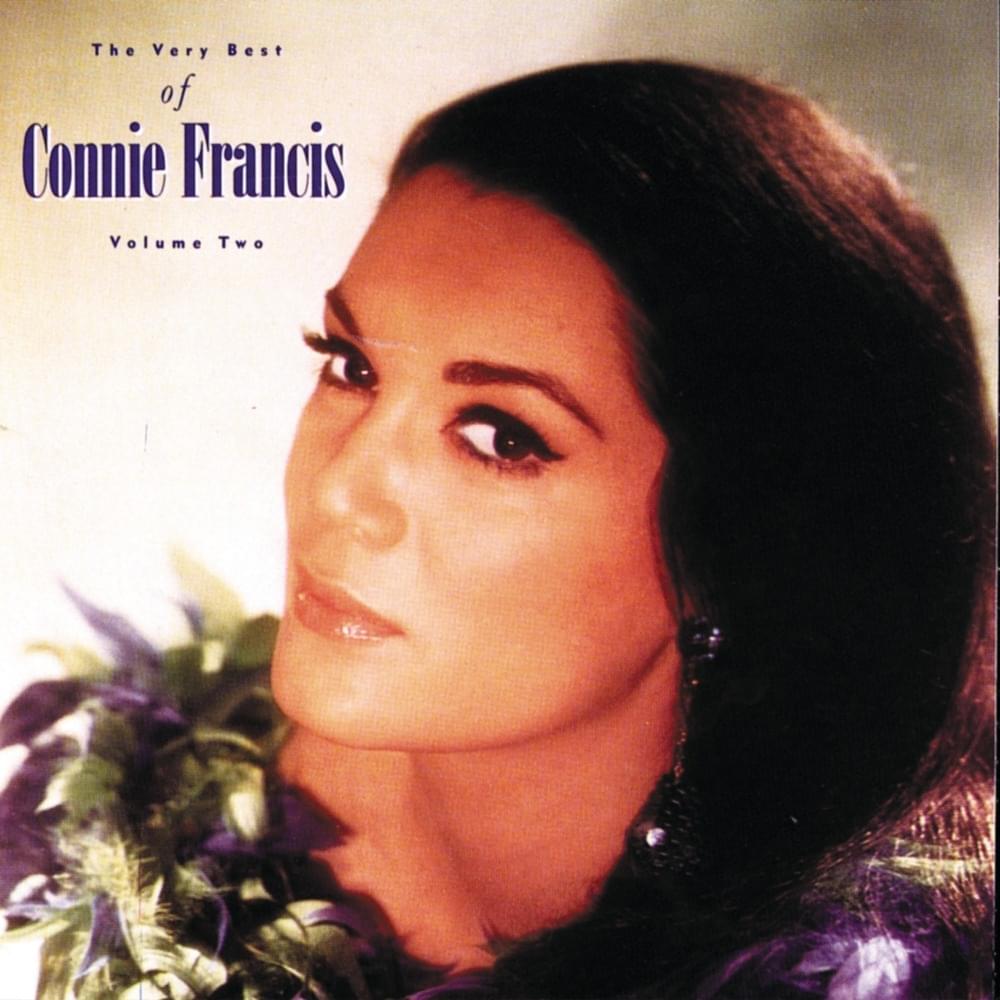
 View Artist