Song Meaning
The lyrics immediately establish a stark contrast between two groups of people, highlighting a profound disconnect in their experiences of hardship. The narrator observes that the same salt, cold, and hunger that afflict one group do not impact another, suggesting a privileged perspective that is oblivious to suffering. This sets up a powerful indictment of indifference, where the physical toll on one person is not felt by another, and the narrator explicitly states, "I see the shit that comes from their hands." This initial observation grounds the song in a tangible, if grim, reality.
The central tension arises from the narrator's repeated vision of "you" in the context of boats, witnessing both birth and death, passage and sinking. This cyclical imagery, tied to the precarious journey of the boats, underscores a sense of inevitable tragedy and the constant struggle for survival. The phrase "I see you" becomes a lament, a recognition of a fate that is both observed and, perhaps, felt by the narrator, even if not directly experienced by the privileged group.
The most striking craft element is the relentless repetition of "Eu vejo-te / Nos barcos" (I see you / In the boats), which transforms a simple observation into a haunting refrain. This repetition emphasizes the inescapable nature of this vision for the narrator and links the abstract suffering to the concrete, perilous image of the boats. The question, "Why do I still look at the sea / If I already know how it will end?" reveals a deep weariness and resignation, suggesting a foreknowledge of the tragic outcomes.
This lyrical construction is effective because it grounds abstract concepts of inequality and suffering in visceral, relatable imagery. The contrast between the unaffected and the afflicted, coupled with the repetitive, mournful vision of the boats, creates a powerful emotional resonance. The narrator's weary question at the end leaves the listener with a sense of profound sadness and the weight of witnessing unavoidable tragedy.
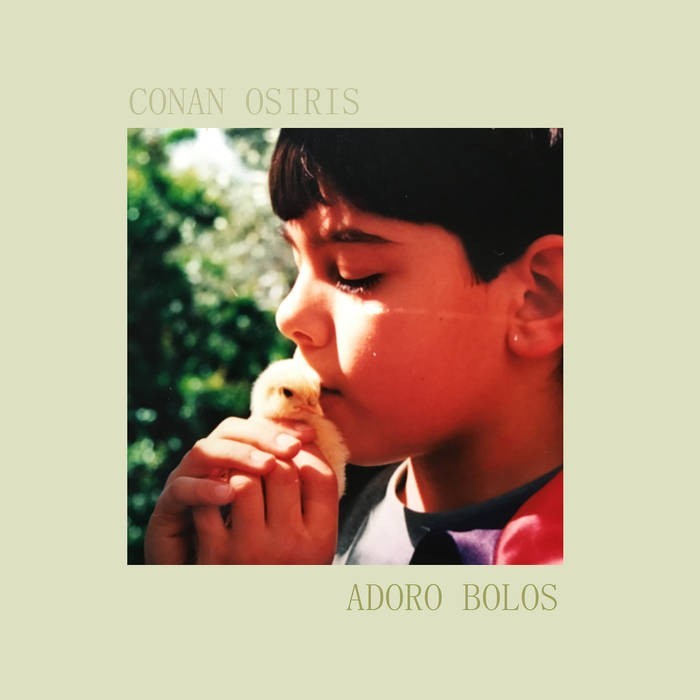
 View Artist