Song Meaning
The narrator grapples with an overwhelming sense of saudade, a Portuguese word for a deep emotional state of nostalgic or profound melancholic longing. This saudade is so intense it drives them to break their phone, a desperate attempt to sever connection with whatever is causing this pain. The act of breaking the phone is a violent, almost suicidal gesture, aimed at understanding if the saudade will kill the feeling or the person experiencing it.
The central tension lies in the ambiguity of who or what is the aggressor in this emotional battle. The repeated question, "E quem mata quem?" (And who kills whom?), highlights this confusion. The narrator is caught between wanting to live and wanting to destroy the very tool that connects them to the source of their longing, suggesting a self-destructive impulse born from unbearable emotional weight. The lyrics pose a stark choice: answer life's calls or destroy the connection, a dilemma that leaves them paralyzed.
The most striking craft element is the personification of life and saudade as active agents. Life might call or send a message, and saudade is the arrow that kills. This transforms an internal emotional struggle into an external conflict, making the narrator's actions—breaking the phone—a physical manifestation of their internal war. The shift in the outro, where the narrator claims ownership of the arrow, "Quem mandou a flecha fui eu" (I was the one who sent the arrow), reveals a dawning self-awareness: they are both the victim and the perpetrator of their own suffering.
Ultimately, these lyrics resonate because they capture the paralyzing nature of intense longing and the desperate, often irrational, measures one might take to escape it. The narrator's journey from wanting to destroy all phones to vowing never to break their own again, coupled with the realization that saudade is now dead because they sent the arrow, offers a complex, albeit painful, resolution. It suggests that confronting and owning one's role in their emotional state, even if self-inflicted, is the only way to move past it.
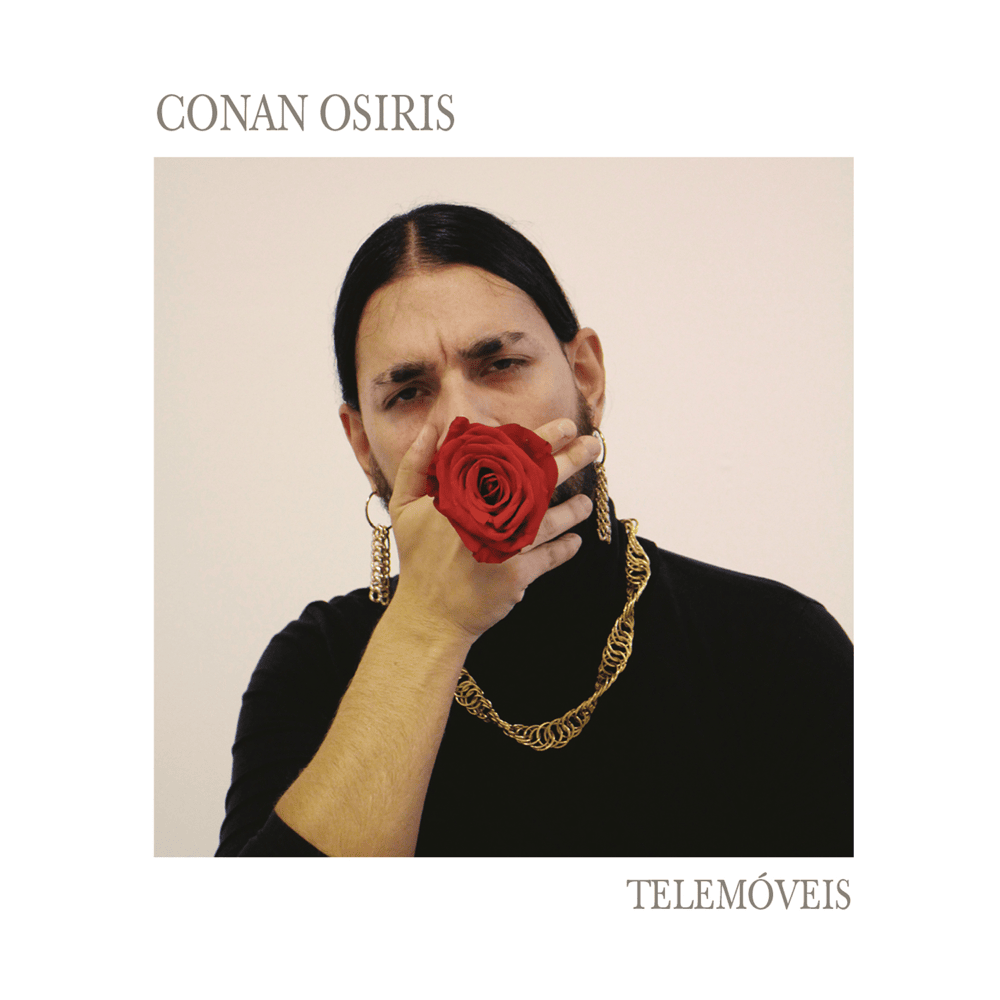
 View Artist