Song Meaning
The lyrics paint a picture of a group or idea that arrives with valuable contributions, "gifts, too beautiful," but struggles to find an audience, only resonating "with anyone who'd care to look." This initial offering seems to be met with resistance or misunderstanding, perhaps even perceived as a threat, like a "poison fear" clouding perception. The narrator suggests that the true impact of these gifts won't be immediate, but rather will unfold much later.
The central tension lies in the stark contrast between the present struggle for recognition and the confident assertion that "our time will come." This future triumph is explicitly tied to mortality, occurring "long after we die." This creates a profound sense of delayed gratification, where the value of what was brought forth is only recognized in retrospect, after the creators are gone. The repeated, almost chant-like refrain emphasizes this unwavering, almost fatalistic belief in eventual vindication.
The most striking element is the overwhelming repetition of "We die." This isn't just a statement of fact; it becomes a visceral, rhythmic pounding that underscores the waiting and the eventual realization of their legacy. It's a powerful, almost desperate acknowledgment of the finite nature of life juxtaposed with the infinite potential of their ideas. The plea "Free me from this life" adds another layer, suggesting a weariness with the present struggle, a desire to escape the current lack of recognition and perhaps hasten the arrival of that future validation.
This lyrical construction is effective because it taps into a deep-seated human desire for legacy and recognition, even if it's posthumous. The stark imagery of death and the insistent repetition create a mood that is both melancholic and defiant. The lyrics suggest that true impact often outlives the creator, a poignant and thought-provoking idea that resonates through the stark, unadorned language.
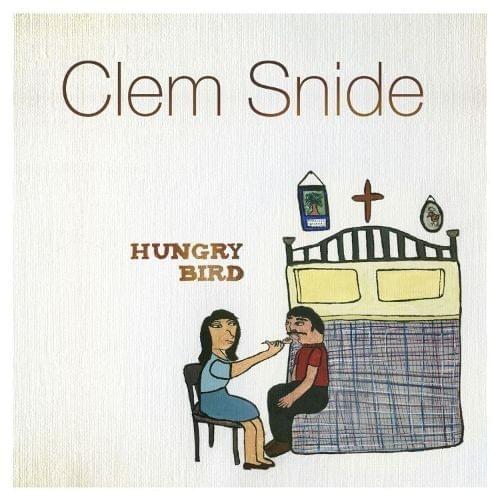
 View Artist