Song Meaning
The lyrics cut straight to the uncomfortable truth about our own perceived moral fortitude. It's simple to declare you'd never compromise your integrity or cause harm when untested. The narrator points out the convenient blindness that comes with never being tempted or challenged, suggesting our ideals are easy to uphold when there's no real stake. The core tension arises from the contrast between stated intentions and the harsh reality of potential future actions under pressure.
The song highlights how our understanding of ourselves and others is limited, viewing life "through keyholes." This limited perspective, the lyrics suggest, might be a protective mechanism, preventing us from being overwhelmed by the full weight of potential pain or consequence. The imagery of breaking "into about a thousand pieces" and a "pound of flesh" powerfully conveys the devastating cost of compromise or betrayal, a price the narrator acknowledges they are willing to pay, and even share.
The cyclical structure, repeating the opening lines with a slight but crucial shift from "hurt anyone" to "hurt me," amplifies the personal stakes. This repetition underscores the fragility of relationships and the painful realization that those we trust might not be as impervious to temptation or as incapable of causing pain as we initially believed. The narrator's willingness to also pay the price, "I'll pay it too," adds a layer of shared vulnerability and perhaps a desperate plea for understanding or reciprocity.
Ultimately, the effectiveness of these lyrics lies in their unflinching examination of human nature and self-deception. By grounding abstract moral concepts in concrete, visceral imagery like "pound of flesh" and the act of breaking, the song forces a confrontation with the uncomfortable possibility that our own "easy" pronouncements might crumble under duress. It’s this direct, almost confrontational questioning of our own character that makes the message resonate.
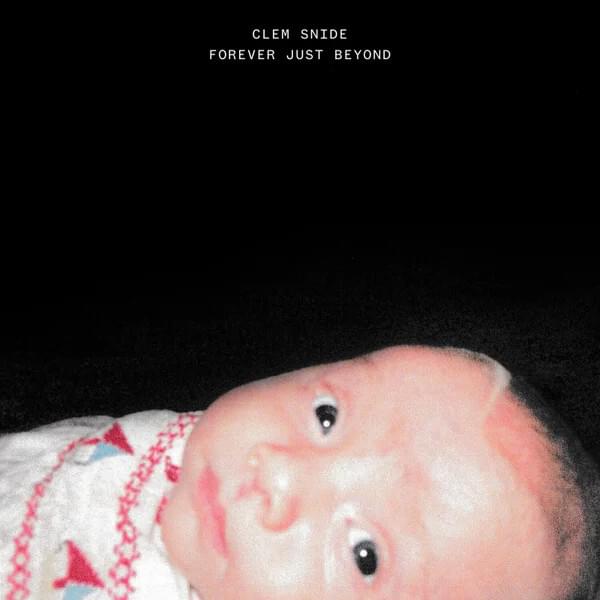
 View Artist