Song Meaning
The lyrics paint a stark picture of destitution and despair. The narrator describes torn clothes, homelessness, and a complete lack of funds. This initial scene is one of profound personal and material collapse.
The central tension lies between this overwhelming present despair and a fierce, almost vengeful, future hope. The narrator's litany of losses—"Meu dinheiro acabou," "Meu amor me abandonou"—culminates in the admission, "Eu não sei nem mais sorrir." This deep emotional void is then directly challenged by a defiant outlook.
The lyrics cleverly pivot from this litany of woes to a powerful declaration of future triumph. After detailing every hardship, including a desperate "promessa pra São Luís Durão," the narrator asserts, "Mas quando a minha vida melhorar Eu vou zombar de quem sorriu de mim." This shift from victimhood to defiant resolve is striking. The repeated line "Meu sapato já furou" bookends the piece, grounding the narrative in the initial physical hardship while the emotional landscape has dramatically transformed.
These lyrics resonate because they capture the human capacity for defiance even in the face of absolute rock bottom. The narrator doesn't just hope for improvement; they envision a future where their suffering becomes a source of strength, allowing them to "zombar" at those who doubted. This fierce, almost vindictive, hope makes the narrative intensely compelling and emotionally impactful.
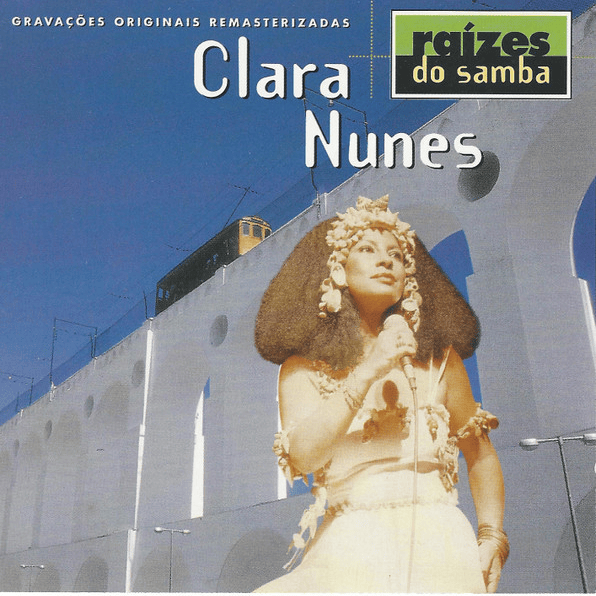
 View Artist