Song Meaning
The lyrics paint a vibrant, almost mythical picture of Brazil, weaving together spiritual reverence, natural grandeur, and cultural heritage. It immediately establishes a deep connection to the land and its foundational myths. There's an initial sense of belonging and a sacred bond between heaven and earth.
This initial reverence quickly gives way to a stark portrayal of suffering and historical oppression. The lyrics introduce a profound tension between the nation's inherent beauty and spiritual richness, and the brutal realities of exploitation and violence it has endured. This duality forms the emotional core, highlighting a struggle for survival.
The repeated invocation of "Jêje" acts as a powerful structural anchor, marking a dramatic shift in perspective and tone. Initially, it grounds the speaker in a rich spiritual lineage. However, as the lyrics progress, "Jêje" becomes a witness to the binding of "asas de pomba" and the "boca do lixo," starkly contrasting spiritual freedom with physical and historical subjugation. This repetition underscores a persistent, enduring spirit despite immense hardship.
The effectiveness lies in the visceral juxtaposition of the sacred and the profane, the beautiful and the brutal. Images like "Ouro cobre o espelho esmeralda" quickly dissolve into "Escarra o sangue" and "mar de lama," creating a jarring emotional impact. Yet, the enduring presence of figures like Oxum-Maré, dancing even in the mud, suggests an unbreakable spirit and a defiant resilience, making these lyrics a potent meditation on a nation's complex soul.
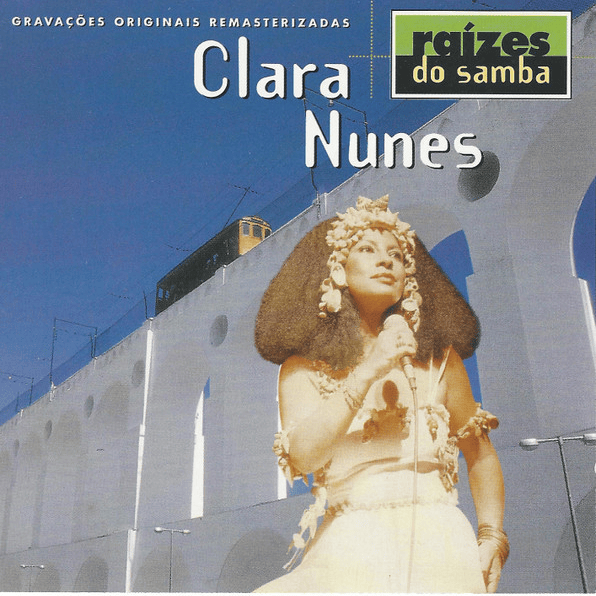
 View Artist