Song Meaning
The lyrics paint a picture of a performer going through the motions of a striptease, questioning the purpose and audience. The initial lines immediately establish a sense of weariness and disillusionment, with the narrator asking "Est-ce pour vous que je strip-tease?" and lamenting that "mes illusions" are vanishing "jour après jour." This isn't a glamorous performance; it's a repetitive, "monotone" act where each "nuit, un autre automne" suggests a further decay or loss.
The central tension lies in the narrator's internal conflict and her perception of the audience. She directly addresses a "toi," accusing them of being "un peu voyeur, un peu voyou," yet simultaneously dismisses these accusations as "chimères." The stark reality is that despite the performance, "personne, pas même toi / Ne portera la main sur moi," highlighting a profound emotional distance and lack of genuine connection, even from the presumed object of her performance.
The most striking aspect is the contrast between the physical act of undressing and the narrator's internal state. The "strip-tease" is described as something that "te grise et m'idéalise," objectifying her while intoxicating the viewer. However, she insists that "si je suis toute nue, / Je garde mon âme ingénue." This assertion of an intact inner self, "en tout point pareille," beneath the "chair de la poupée" and "vêtements éparpillés," reveals a powerful act of self-preservation amidst objectification.
This lyrical construction is effective because it subverts the expected narrative of a striptease. Instead of titillation, we get introspection and a quiet defiance. The narrator's detachment and her claim of an "âme ingénue" create a poignant sense of isolation, making the performance feel less like an invitation and more like a solitary ritual of loss and resilience. The final image of being "dans le plus simple appareil" while retaining an "ingénue" soul is a complex statement on vulnerability and inner integrity.
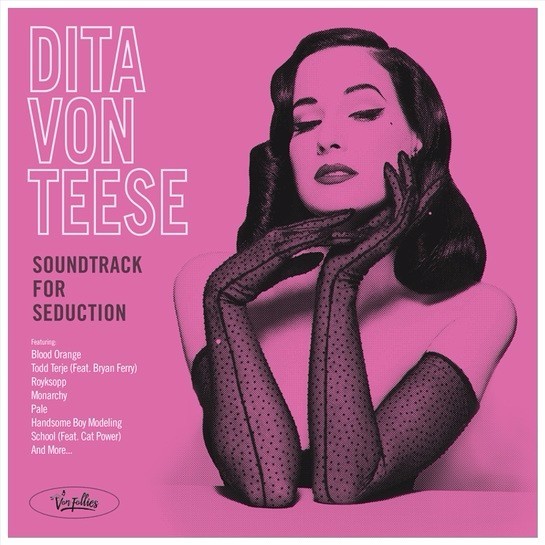
 View Artist