Song Meaning
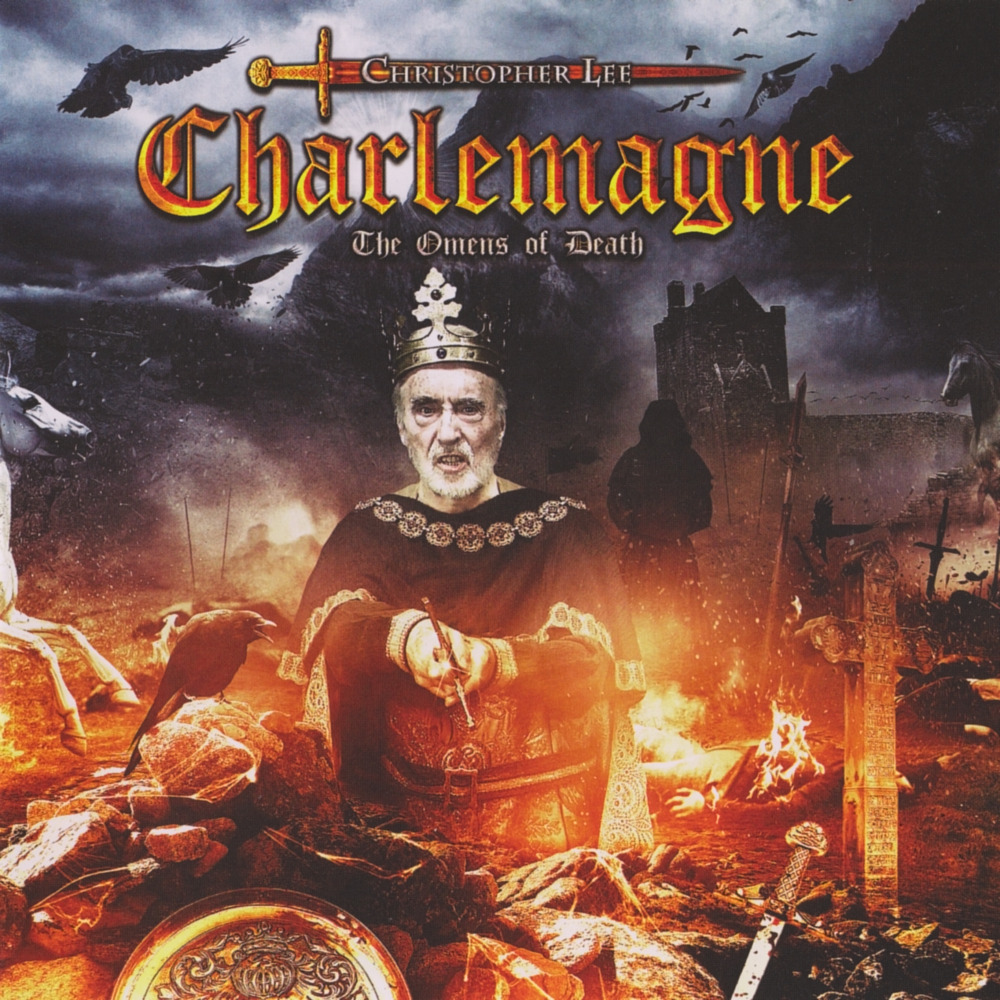
Christopher Lee, the iconic Dracula of the silver screen, brings a chilling gravitas to "Judgement Day," a stark meditation on existential dread masquerading as a post-apocalyptic hymn. Forget fire and brimstone; Lee isn't selling heaven or hell, but rather the unsettling possibility of oblivion. The track opens with pronouncements of a utopian future, a world "raised...to a new world of enlightenment." The wars are over, ignorance vanquished. But this seemingly triumphant vision quickly unravels, undercut by a single, devastating question.
The core of "Judgement Day" lies in its bleak central inquiry: "But what if there is no God, no afterlife?" This isn't a theological debate; it's a psychological confrontation with the void. The song meaning hinges on this moment of stark realization. Lee, with his resonant baritone, doesn't offer comfort. Instead, he paints a picture of ultimate insignificance. The enlightenment achieved, the wars ended – all for naught if existence simply fades into "dusk and darkness." It's a nihilistic perspective, delivered with the dramatic flair one might expect from a master of horror.
In essence, "Judgement Day" isn't about divine reckoning, but rather the self-reckoning humanity must face when confronted with its own mortality. The lyrics analysis reveals a narrative arc that subverts expectations. We anticipate a grand, operatic depiction of heaven or hell, but Lee offers instead a chillingly quiet contemplation of nothingness. The song taps into a deep-seated fear – that all our striving, all our enlightenment, amounts to little more than a fleeting spark in an indifferent universe. It's a terrifying thought, made all the more potent by Lee's commanding presence.
 View Artist