Song Meaning
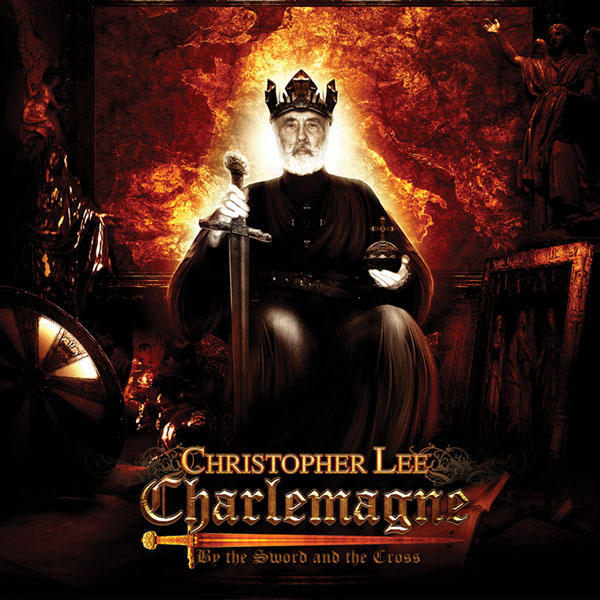
Christopher Lee's "Act 1: Intro" isn't merely a song; it's a meticulously crafted historical overture. The track plunges us headfirst into the death chamber of Charlemagne, setting the stage for what promises to be a grand, operatic exploration of power, legacy, and the brutal dawn of a new Europe. Forget verse-chorus structure; this is scene-setting at its most dramatic, a spoken-word prologue that drips with historical gravitas. Lee, known for his commanding presence both on screen and in his musical endeavors, wastes no time in establishing the scene's key players and the weighty atmosphere surrounding the dying emperor.
The lyrics serve as a historical tableau, painting a vivid picture of Aachen in 814 AD. We're not just told about Charlemagne's impending demise; we're placed within the imperial palace, surrounded by his family, courtiers, scholars, and churchmen. The emphasis on Charlemagne's age (72, considered ancient then) and his preference to die in bed rather than on the battlefield underscores the transition from warrior to historical figure, a man whose influence transcends mere military might. The mention of Einhart, Charlemagne's trusted official, hints at secrets, power struggles, and the passing of the torch—or perhaps the scepter.
The genius of this intro lies in its ability to evoke a sense of grandeur and impending doom. Lee doesn't just narrate; he embodies the weight of history, using his voice to transport us to a pivotal moment in European history. The "dark ages of ignorance and chaos" juxtaposed with the emergence of a new Europe provides a stark contrast, highlighting Charlemagne's role as a pivotal figure in this transition. The "Act 1: Intro" functions as more than just a song; it's a promise of the epic narrative to unfold, a theatrical presentation of a historical turning point. It's clear this isn't just music; it's historical drama set to sound.