Song Meaning
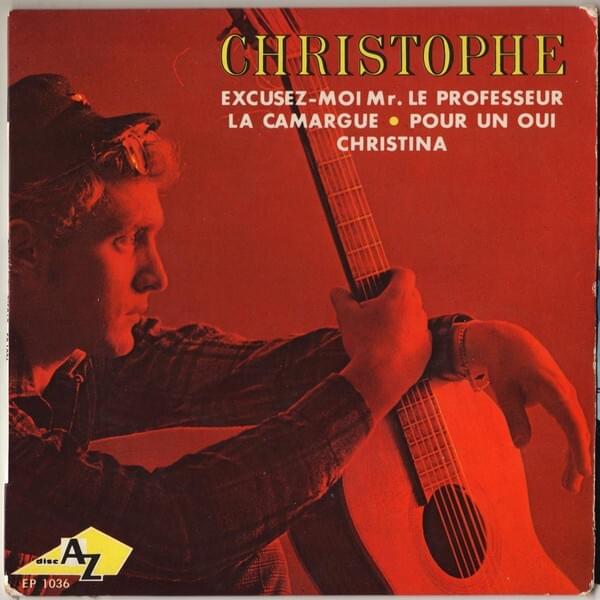
Christophe's "La Camargue" isn't just a song; it's an oath sworn to the land. Through deceptively simple lyrics, the song creates a vivid portrait of a man inextricably linked to the Camargue region of France. It's a place etched onto his very being, shaping his hardened skin and sun-creased eyes. More than just a geographical location, the Camargue represents an entire universe for the singer, the only one he needs. The opening verses establish this profound connection, grounding the listener in the tangible details of his existence: the cattle, the horse, the wide-brimmed hat, and the skies meeting the sea. These are not merely observations; they are the cornerstones of his identity.
The song's emotional core lies in its declaration of belonging and unwavering loyalty. The singer possesses an intimate knowledge of the landscape, navigating its hidden streams and reedy marshes with an ease that transcends time. This familiarity breeds not contempt, but a deep and abiding love. The Camargue isn't simply a place he knows; it's his sole love, a powerful statement that elevates the land to the status of a cherished partner. This connection suggests a psychological dependence, a rootedness that defines his sense of self and provides solace.
The final verse seals the singer's fate. It's not a boast or a romantic flourish, but a quiet acceptance of his destiny. He can no more abandon his free-running horses than he can abandon the Camargue itself. The repetition of "Non, jamais je ne pourrai quitter / Mes chevaux courant en liberté / Non, jamais je ne les quitterai" underscores the impossibility of separation. The song culminates in a powerful, almost fatalistic declaration: "La Camargue, c'est là que je mourrai." This isn't a morbid thought, but a peaceful acceptance of the cycle of life and death, forever bound to the land that birthed him. "La Camargue" is a testament to the enduring power of place and the profound psychological connection between a man and his environment.
 View Artist