Song Meaning
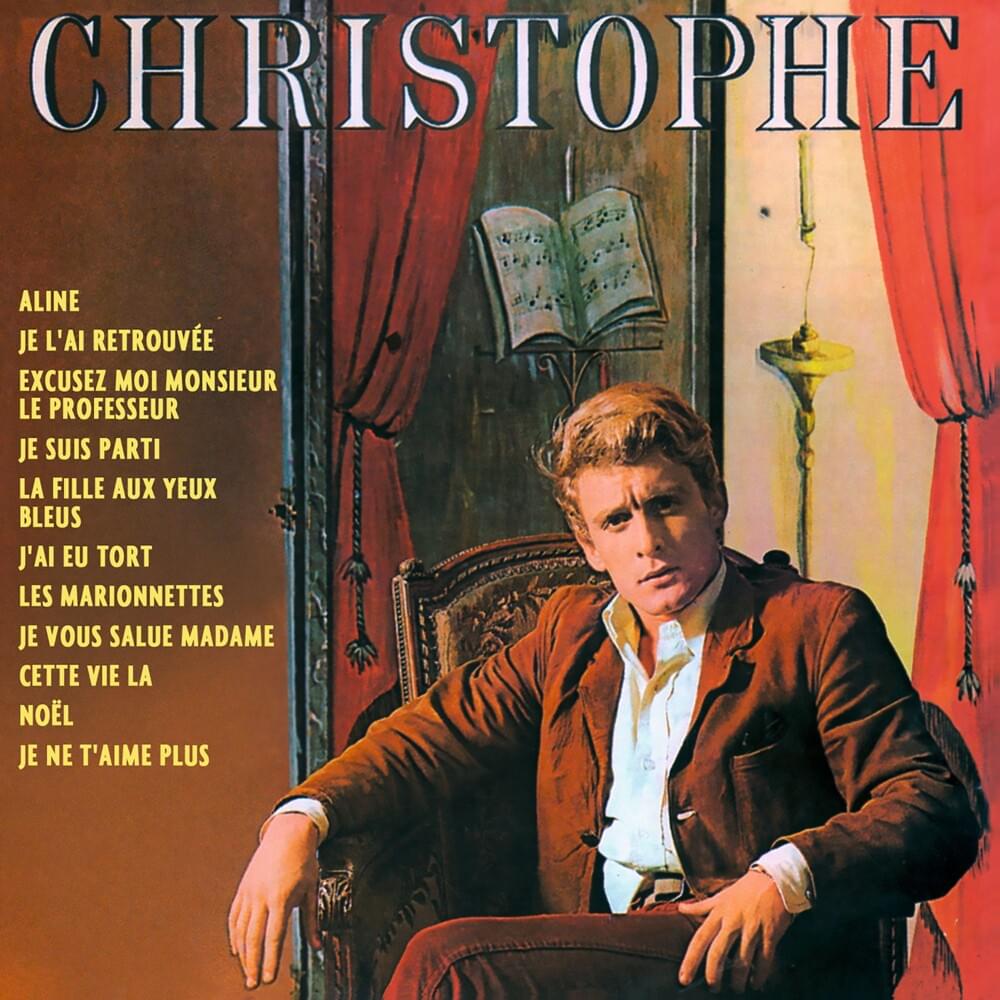
Christophe's "Excusez-moi, monsieur le professeur" is a masterclass in the art of the alibi, a child's litany of excuses delivered with a wink and a world-weariness that belies its simple construction. More than just a schoolboy's lament, the song delves into the psychology of rebellion, the quiet resistance against a system that seeks to mold individuality into uniformity. The repeated refrain, "Excusez-moi monsieur le professeur," becomes less an apology and more a defiant mantra, a gentle pushback against authority. The reasons offered for academic shortcomings – elongated ears from childhood taunts, missing fingernails from past abuse – are absurd yet poignant, hinting at deeper emotional scars that the school system, embodied by the professor, fails to recognize or address. These are not mere excuses; they are fragmented narratives of a wounded spirit. The song implies that the speaker's lived experiences have shaped them in ways that standardized education cannot accommodate.
Central to the song's meaning is the contrast between the sterile environment of the classroom and the allure of the natural world. The student's mind wanders to forests and birds, places of freedom and untamed beauty. The lyrics, "Si les pages sont blanches / De mes pauvres cahiers / C'est qu'il y a trop de branches / Aux arbres des forêts," encapsulate this longing for escape. The teacher's prohibition against climbing trees only intensifies the desire, highlighting the inherently rebellious nature of a child's curiosity. This is not just about skipping class; it's about rejecting a system that stifles creativity and independent thought. The student is not lazy or unintelligent; they are simply drawn to a different kind of learning, one that is experiential and self-directed.
The final verses introduce a sense of disorientation and loss. The student admits to being "absent" during roll call, not because they are physically absent, but because they have lost their way, metaphorically and perhaps literally. The line, "J'ai perdu mon chemin / Je reviendrai demain," suggests a temporary departure, a search for meaning and purpose outside the confines of the school. The repetition of "Excusez-moi monsieur le professeur / Si je ne sais jamais rien par cœur" underscores the student's fundamental disconnect from rote memorization and standardized knowledge. The song, at its core, is a plea for understanding, a recognition that true education involves more than just filling heads with facts; it requires nurturing the individual spirit and allowing it to flourish in its own unique way. The echo of the opening lines at the song's end reinforces the cyclic nature of the student's struggle, a perpetual dance between conformity and rebellion, highlighting the lasting impact of early traumas on a child's ability to thrive in a rigid educational environment.
 View Artist