Song Meaning
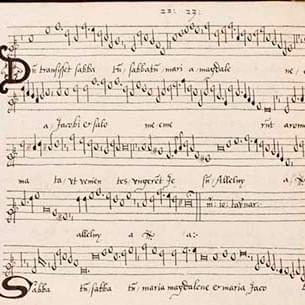
The lyrics paint a vivid, almost tactile scene of early morning devotion. It’s the first day after the Sabbath, and the air is thick with purpose. Three women—Mary Magdalene, Mary the mother of James, and Salome—are on a mission, their hands already full with the spices they’ve acquired. The dominant tone is one of urgent, almost reverent action, underscored by the repeated "Alleluia" and "Gloria Patri et Filio et Spiritui Sancto."
The central tension lies in the timing and the destination. They arrive at the tomb "valde mane una sabbatorum," just as the sun begins to rise, implying a race against time or perhaps a profound need to be the first witnesses. The purchase of "aromata" (spices) is a specific, tangible act that points toward their intention: to anoint Jesus. This act of preparation, undertaken with such early morning haste, highlights their deep commitment and sorrow.
The craft here is in the stark, declarative statements. There’s no flowery language, just a clear sequence of events: the women, the spices, the intent to anoint, the arrival at the tomb as dawn breaks. The repetition of names and the liturgical refrains lend a solemn, almost ritualistic quality to their actions. The contrast between the quiet, personal act of anointing and the grand, public pronouncements of "Alleluia" and "Gloria" creates a powerful emotional resonance.
What makes these lyrics so effective is their directness and the implied emotional weight behind simple actions. The purchase of spices and the early morning journey aren't just plot points; they are expressions of love, grief, and unwavering faith. The lyrics trust the listener to understand the profound significance of these preparations and the sacredness of the moment, making the scene deeply moving through its understated power.
 View Artist