Song Meaning
The lyrics paint a chilling picture of a predatory entity, one that operates with a disturbing blend of divine omniscience and primal violence. The opening lines immediately establish a scene of gruesome dismemberment, a stark contrast to the narrator's claim of ownership and future 'resurrection.' This sets a tone of possessive control that feels both deeply unsettling and almost supernatural, hinting at a power that transcends earthly laws and evidence.
The narrator positions themselves as a deceptive force, arriving 'in sheep's clothing' while openly admitting to leading others 'into temptation' and knowing their deepest secrets and lies. This duality is central to the song's tension: a seemingly benevolent guise masking a sinister, all-knowing observer who revels in exposing and consuming sin. The repeated 'Peek a boo! I see you!' acts as a taunting, childlike game, weaponized to highlight the inescapable nature of this gaze.
Perhaps the most striking image is the 'lamb eating vulture,' a paradoxical figure that embodies both innocence and ravenous destruction. This entity claims to consume the worst of humanity – thieves, necrophiles, and those responsible for horrific deaths, including children. The question 'Was it all worthwhile' suggests a grim accounting, a justification for this brutal consumption, framed by an awareness of profound suffering.
The lyrics culminate in a declaration of apocalyptic finality and a chilling self-identification. The narrator claims knowledge of 'what you've done' and 'what you've seen,' directly linking themselves to notorious figures like 'the Son of Sam.' This final assertion solidifies the narrator's role not just as an observer, but as an active, terrifying force of judgment and reckoning, making the childlike 'Peek a boo' feel like the prelude to an inevitable, devastating end.
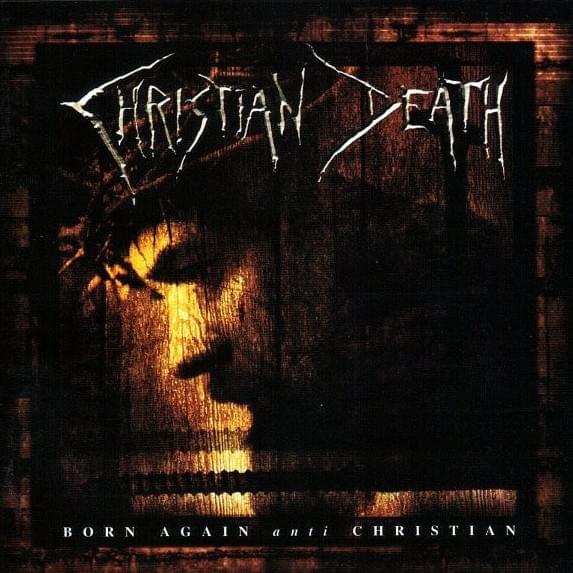
 View Artist