Song Meaning
The lyrics present a disorienting internal conflict, where the narrator confronts a distorted reflection of themselves. This "you" in the mirror and shadow isn't a separate person, but a fractured aspect of the narrator's own identity, one they both resent and desperately want to become. The repeated questions, "Where am I?" and "Who am I?", underscore a profound sense of self-estrangement and a desperate search for a lost self.
The central tension lies in the narrator's complex feelings towards this other self. They express a twisted apology, "I'm sorry that you're dead," immediately followed by the admission, "I wanted you to suffer." This suggests a self-destructive impulse, a desire for a part of themselves to be gone while simultaneously acknowledging a perverse connection and a wish for its torment. The narrator is trapped in a loop of self-loathing and self-envy.
The most striking aspect of the craft is the blurring of lines between self and other, reality and delusion. The "two-way mirror" implies a shared, inescapable perspective, while the "shadow" that mocks the narrator's image highlights how this internal division is actively undermining their sense of self. The final lines, "I want to make you suffer / But you do not exist," reveal the ultimate futility of this internal battle; the object of their hate and desire is an illusion, a phantom born of their own fractured psyche.
This lyrical construction is effective because it taps into the unsettling experience of feeling alienated from oneself. The direct, almost conversational tone, juxtaposed with the deeply disturbed imagery, creates a raw and vulnerable portrayal of internal disintegration. The repetition of the apology and the desire for suffering amplifies the psychological distress, making the narrator's desperate search for identity feel both tragic and intensely personal.
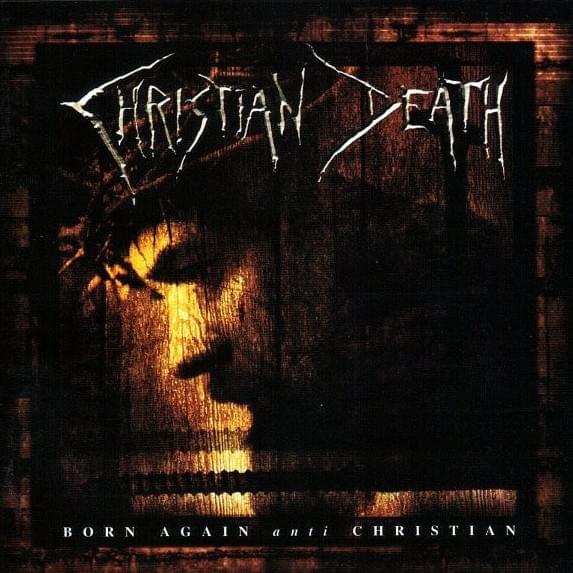
 View Artist