Song Meaning
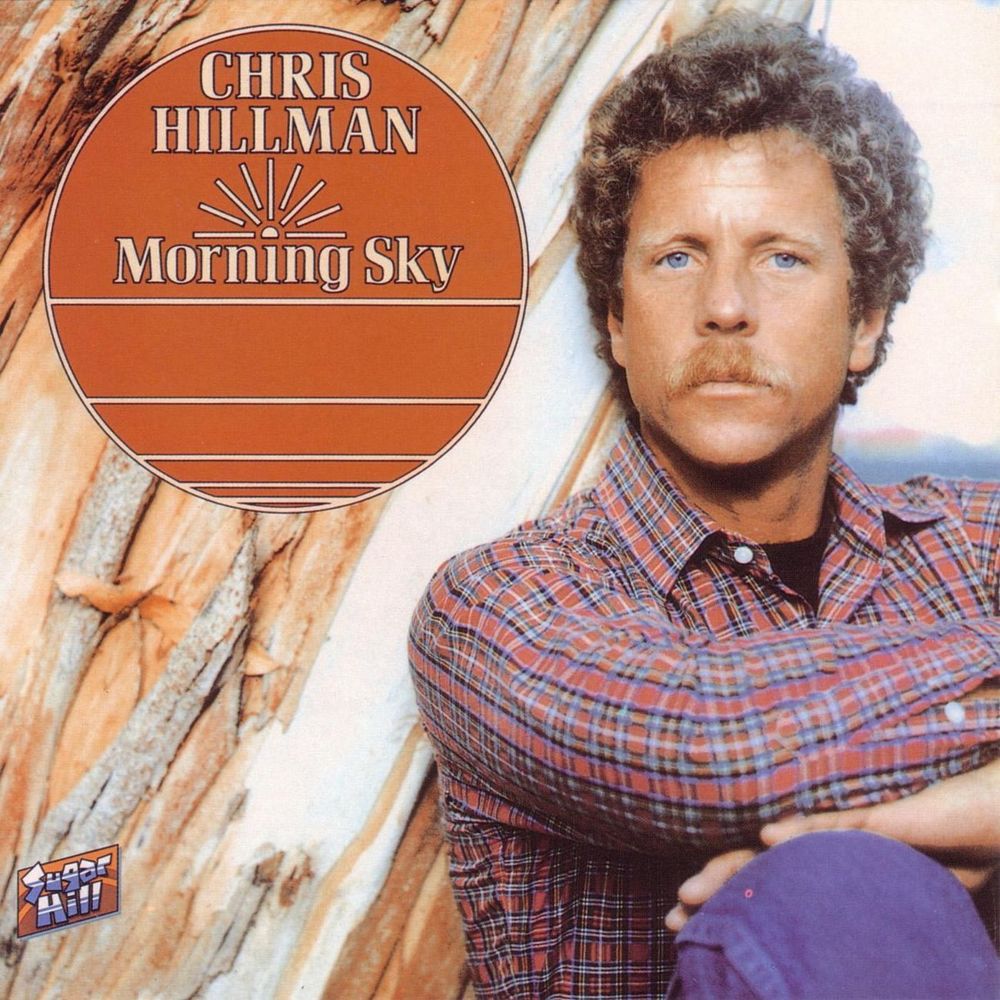
Chris Hillman's interpretation of "Ripple," originally by the Grateful Dead, feels like a quiet benediction, a whispered encouragement to find meaning in the face of inherent uncertainty. The song's opening gambit – a hypothetical scenario where words possess radiant power and music resonates deeply – immediately establishes a yearning for authentic connection. But there's a self-effacing acknowledgment that such clarity is often elusive. The "hand me down" thoughts, described as "broken," suggest inherited wisdom or societal norms that fail to provide solace or direction. This humility paves the way for the song's central proposition: to embrace the inherent mystery of existence and allow art, in its purest form, to fill the void. The line "I don't know don't really care / Let there be songs to fill the air" speaks to the acceptance of the unknown, finding solace in the creative act itself. This is about surrendering to the beauty of sound as a response to life's unanswerable questions. This version by Hillman pulls out the country undertones, and highlights the sense of gospel hope that is laced throughout the song.
The metaphor of "ripples in still water when there is no pebble tossed / No wind to blow" is particularly evocative. It represents the subtle, often unseen forces that shape our lives. These are the internal currents, the quiet reflections, the spontaneous moments of insight that arise without obvious cause. The invitation to "reach out your hand if your cup is empty / If your cup is full may it be again" emphasizes the cyclical nature of experience, the ebb and flow of abundance and lack. The "fountain that was not made by the hands of men" symbolizes a source of renewal and inspiration that transcends human creation, hinting at something divine or inherent within the natural world. It is a place to return to when one needs the well filled again.
Ultimately, "Ripple" suggests that the path to understanding is a solitary one. The road "between the dawn and the dark of night" represents the journey of life, and the fact that "no one may follow" underscores the deeply personal nature of self-discovery. This isn't a lonely sentiment, but rather an empowering one. It suggests that true meaning is found not in conformity or external validation, but in the individual's willingness to navigate their own unique path, guided by the unseen currents and the enduring power of art. Chris Hillman's rendition amplifies the song’s gentle urging to find one's own path, even when that path seems shrouded in mystery.
 View Artist