Song Meaning
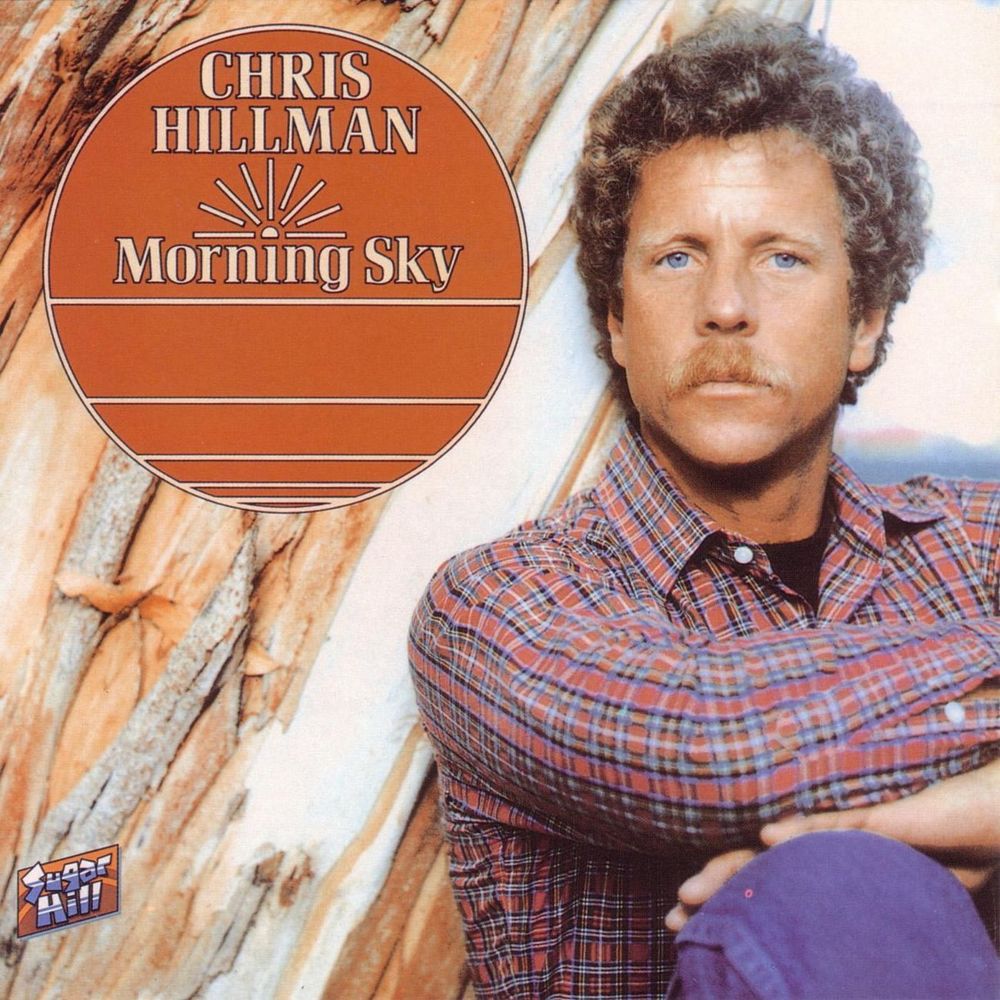
Chris Hillman's take on "Good Time Charlie's Got The Blues" isn't just a country lament; it's a stark portrait of a man staring into the abyss of his own choices. The song's meaning hinges on the push and pull between fleeting pleasure and the slow burn of regret. The opening lines establish a scene of abandonment – a mass exodus leaving Charlie isolated. This isn't just physical isolation, but an emotional one, amplified by the feeling that everyone else has figured something out that he hasn't. They're chasing sunshine while he's stuck in the rain, a metaphor for escaping the consequences of a life lived too freely. The repetition of "everybody's leavin' town" underscores a deep-seated fear of being left behind, not just geographically, but existentially.
At its core, the lyrics analysis reveals a character grappling with the inevitable consequences of a life prioritizing short-term gratification. The lines "Play around, you lose your wife / Play too long, you lose your life" aren't just warnings; they're echoes of a self-awareness that's been dulled by years of "good times." The pills he takes to "ease the pain" are a transparent attempt to medicate the emotional fallout of his choices. He's not just a victim of circumstance; he's complicit in his own downfall. The blues aren't something that's *happened* to him; they're a direct result of his actions. The question lingers: Is Charlie truly lamenting his situation, or simply wallowing in self-pity, unwilling to confront the deeper issues that have led him to this point?
Ultimately, Hillman's interpretation of "Good Time Charlie's Got The Blues" transcends the typical country trope of the hard-living, hard-loving man. It digs deeper, revealing a character wrestling with the realization that the party's over, and the choices he's made have left him stranded. The song's true power lies in its unflinching portrayal of a man confronting the emptiness that lies beneath the surface of a life devoted to fleeting pleasures. It's a cautionary tale, a glimpse into the lonely heart of a man who's finally run out of good times, and perhaps, time itself.
 View Artist