Song Meaning
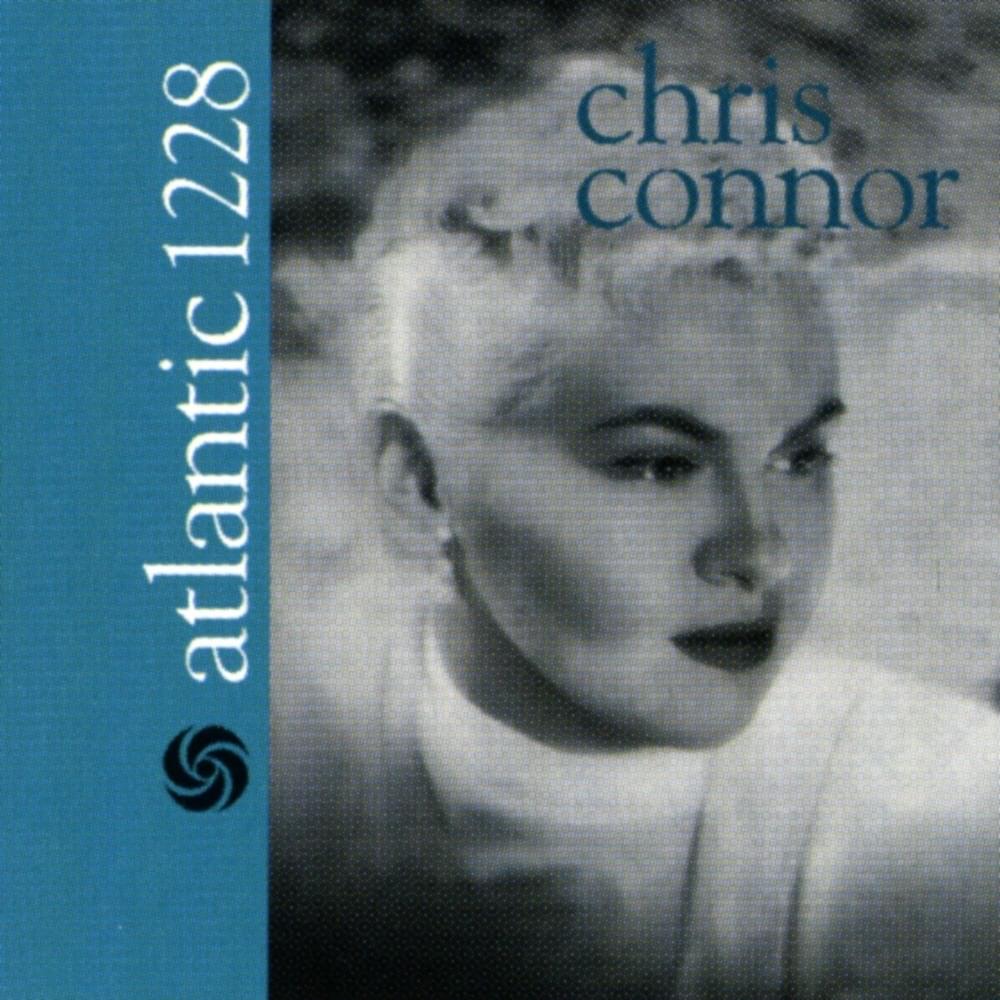
Chris Connor's "When the Wind Was Green" isn't just a song; it's a masterclass in synesthesia, translating the ephemeral feeling of love into a tangible, almost hallucinatory experience. The song's central conceit—ascribing colors to the wind—immediately pulls the listener into an altered state of perception. The 'green' wind of spring isn't just a sensory detail; it represents the nascent stage of a relationship, a time of vibrant growth and innocent kisses. Connor uses the wind as a metaphor for the intoxicating freshness of new love, something alive and invigorating. The presence of the lover is intertwined with this sensory experience ('You were there'), suggesting that the relationship itself is inseparable from the feeling of renewal. It's about the world feeling different because of the other person.
The shift to a 'red' wind in summer deepens the sensual undertones. Red, the color of passion and wine, mirrors the deepening intimacy. The lyrics explicitly connect the wind's color to the lover's lips, solidifying the association between sensory experience and physical desire. It's no longer just about freshness, but a full-bodied immersion in pleasure. Then comes the inevitable turn. The bridge introduces the autumn, where the vibrant colors bleed into a 'brown wind dying.' This isn't a gentle fading; it's a tumultuous collapse, symbolized by leaves 'tumbling, stumbling down.' The use of words like 'crying' adds an emotional weight, suggesting the pain and heartbreak associated with the end of the relationship.
Ultimately, "When the Wind Was Green" circles back to a stark winter landscape, where the wind is 'white like the swirling snow.' This represents a state of emotional barrenness, a loss of the sensory richness that once defined the experience of love. The final lines carry a poignant resignation, acknowledging that the 'wonderful things to be seen' during the springtime of love are now lost, perhaps forever. The song's power lies in its ability to use color and the natural world to map the emotional landscape of a relationship, from its vibrant beginning to its desolate end. It’s a reminder that love, like the seasons, is transient, and that the most beautiful moments are often the most fleeting.
 View Artist