Song Meaning
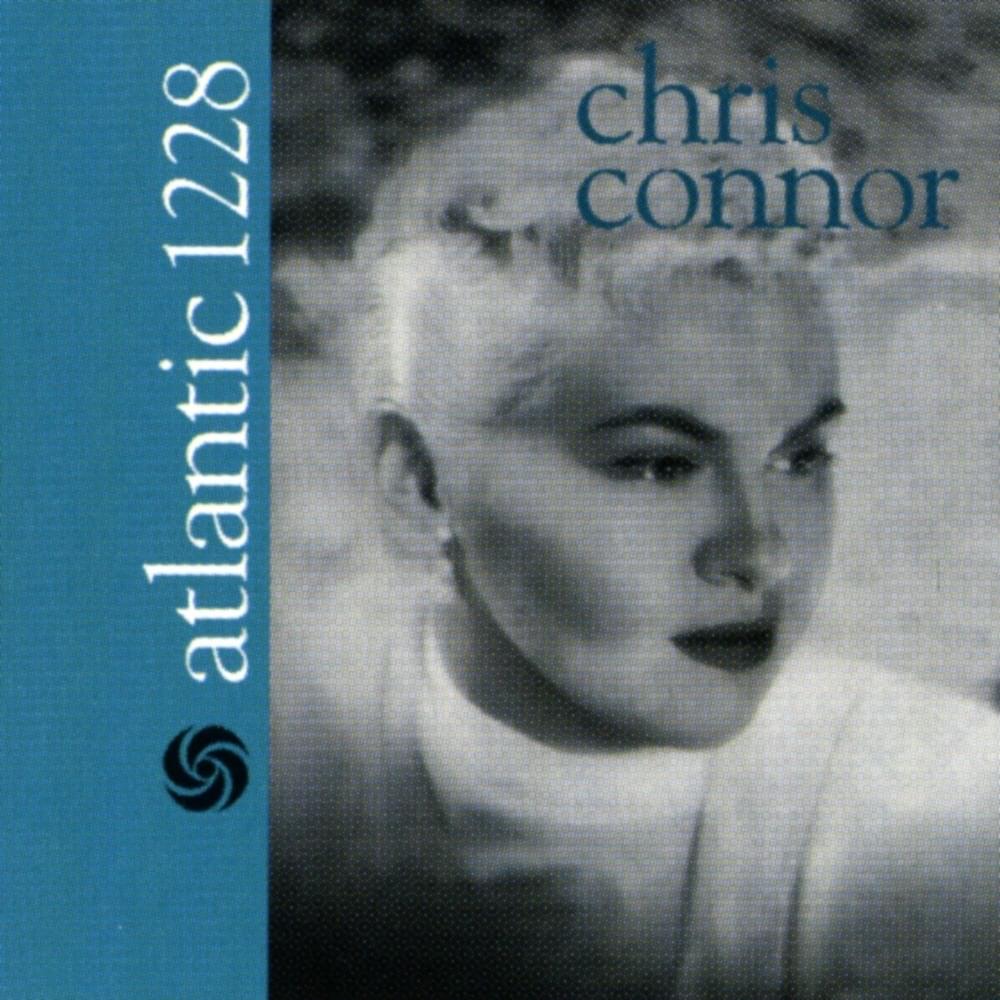
Chris Connor's rendition of "He Was Too Good to Me" is a masterclass in regret, a slow-burning torch song that dissects the aftermath of a love carelessly discarded. The song's core isn't just about lost love; it's about the sharp, stinging realization of having squandered something precious, a kindness so profound it now feels almost mythical in its absence. The opening lines immediately establish the central conflict: a present defined by the gaping void left by someone who offered unwavering devotion. The question, "How can I get along now?" isn't rhetorical; it's a raw, vulnerable admission of dependence and a dawning awareness of her own emotional shortcomings. This isn't mere heartbreak; it's a reckoning.
The lyrics subtly paint a portrait of a relationship dynamic where the narrator held the upper hand. References to being a "queen" highlight a power imbalance, suggesting she reveled in the adoration and perhaps even took it for granted. The line, "When I was mean to him, he'd never say, 'Go away now,'" speaks volumes about his patience and her potential emotional cruelty. The repeated question, "Who's going to make me gay now?" isn't necessarily a literal yearning for laughter; it's a deeper lament for the unique, unwavering joy he brought into her life – a joy she now recognizes as irreplaceable. It hints at a self-centeredness that blindsided her to the true value of his affection until it was too late.
The song's brilliance lies in its simplicity and emotional honesty. There's no elaborate wordplay or complex metaphors, just a straightforward expression of remorse. The lines, "He would have brought me the sun, making me smile, that was his fun," encapsulate the selflessness of his love, contrasting sharply with her present state of "blue" melancholy. The final repetition of "He was too good to be true" acts as both an acknowledgement of his exceptional nature and a bitter reflection on her own inability to appreciate it at the time. Chris Connor’s performance amplifies this sentiment, her vocal delivery imbued with a poignant blend of regret and self-awareness, transforming a simple ballad into a timeless exploration of love, loss, and the painful consequences of taking kindness for granted.
 View Artist