Song Meaning
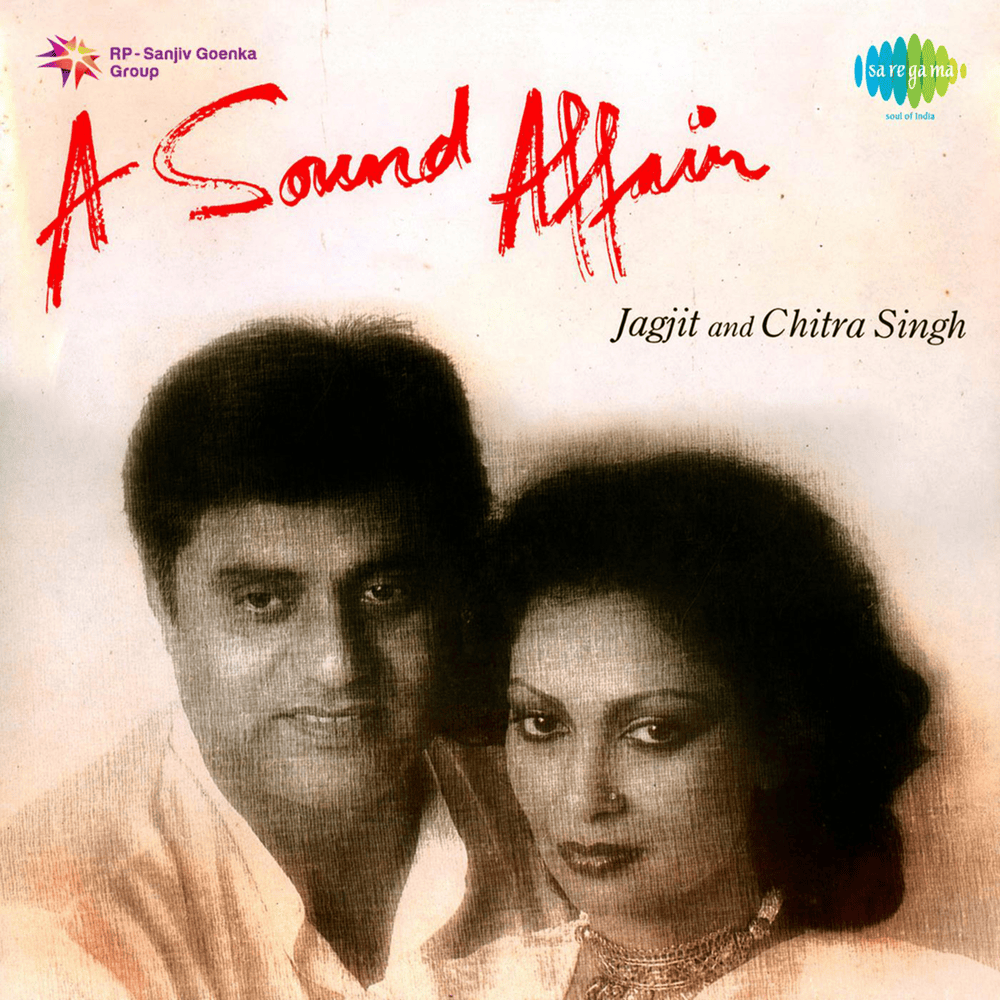
Jagjit Singh's "Yeh To Nahin Ke Gham Nahin" isn't a melodramatic outburst of grief, but a delicately balanced exploration of emotional numbness. The opening lines, repeatedly stating "It is not that there is no sorrow / Yes, my eye is not wet," immediately establish this central paradox. It's a confession that pain exists, but the typical outward expression is absent, suggesting a deeper, perhaps more troubling, state of being. The initial verse introduces a sense of mutual alienation: "You too are not you today / We too are not us today." This shared disconnect hints at a collective experience of trauma or loss, where individual identities are fractured and altered. The 'you' and 'we' are present in body, but absent in spirit, creating a haunting sense of displacement.
The song meaning deepens in the second verse as Singh describes a flattening of affect: "Now there is no joy in joy / Now there is no sorrow in sorrow." This speaks to a profound emotional exhaustion, where even the most extreme feelings—happiness and sadness—fail to register with their usual intensity. It's a chilling portrayal of depression, where the world loses its vibrancy, and the individual becomes desensitized to the highs and lows of life. The repetition further emphasizes the unrelenting nature of this emotional state, a kind of psychic fatigue that permeates every aspect of experience.
The final verse offers a complex meditation on mortality: "Death, although it is death / Life is no less than death." This isn't a simple embrace of nihilism, but a recognition that life, in its emotionally barren state, can feel just as bleak as death itself. The phrase suggests that a life devoid of feeling, a life where neither joy nor sorrow can penetrate, is a kind of living death. Jagjit Singh, through the subtle nuances of his delivery, paints a portrait of emotional survival, not as a triumph, but as a precarious balancing act, a quiet acknowledgement that even in the face of profound sorrow, life—or at least, existence—continues. The song's genius lies in its understated approach, its refusal to succumb to histrionics, offering instead a glimpse into the quiet desperation of a heart struggling to feel.
 View Artist