Song Meaning
These lyrics draw a vibrant parallel between the essential elements of a lively "coco" musical gathering and the delicate dance of courtship. Just as "Coco sem ganzá não é coco," a flirtation "sem beijar não é amor." The speaker establishes a clear, playful rulebook for both music and romance.
There's a delightful tension between eager desire and strategic patience. The narrator repeatedly declares, "Quero ganzá quero ganzá quero ganzá" and "Quero beijar quero beijar quero beijar," signaling intense longing. Yet, this urgency is tempered by a surprising twist: "Mas eu beijo com decoro pro namoro demorar." It suggests a deliberate slowing of the pace, perhaps to savor the anticipation or to build a more lasting connection.
The wordplay adds a layer of cleverness. When the speaker pleads, "Morena tem pena tem pena no meu cocar," "pena" can mean both pity and feather. This subtly links the desired woman to the speaker's adornment, suggesting she holds a piece of his identity or pride. The repetition of "vem no coco" acts as an insistent, rhythmic invitation, pulling the listener and the "morena" into the heart of the celebration.
Ultimately, these lyrics are effective because they paint a vivid, sensory picture of authentic connection. The insistence that the "morena tem que gostar do beijo / Pra gostar de ser beijada" elevates the act of kissing beyond mere physical desire, emphasizing mutual enjoyment and genuine feeling. It's an invitation not just to a dance, but to a shared, joyful experience, both musically and romantically.
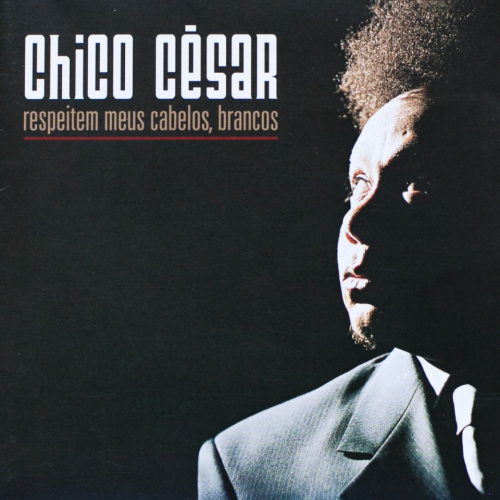
 View Artist