Song Meaning
The clock ticks past one, and a profound silence descends, leaving the speaker's apartment feeling like "um deserto" – a desert. The moon hangs in the sky, a "cd de luz," as the beloved, described as "de lua" (of the moon), has vanished. This opening paints a stark picture of late-night loneliness and yearning for a lost presence.
Despite the quiet, the speaker's mind is anything but silent. An "insone" mind echoes only the beloved's name, a stark contrast to the phone that "não soa" – doesn't ring. This internal monologue reveals a deep, unexpressed "grande amor, minha paixão ardente." The central tension lies in this powerful, unspoken declaration of love battling the crushing reality of silence and absence, which paradoxically "se faz mais presente."
The lyrics masterfully use imagery and sonic play to amplify this emotional chasm. Describing the beloved as "de lua" cleverly links them to the moon's fickle nature, a distant, changing entity. The phonetic mirroring of "ecoa" (echoes) and "não soa" (doesn't ring) in consecutive lines is a brilliant touch, highlighting the speaker's internal torment against the external void. This craft makes the beloved's absence feel not just empty, but a tangible, oppressive force.
As the hours creep past two in the "cidade nua" – naked city – the speaker's hope dwindles, feeling "mais distante." The distant "carros rugem para a lua" seem to echo a universal, yet isolated, yearning. The raw vulnerability culminates in a desperate, time-bound plea: "Será que você volta antes das quatro?" This question encapsulates the entire emotional arc, transforming abstract longing into a concrete, fragile hope tied to the approaching dawn.
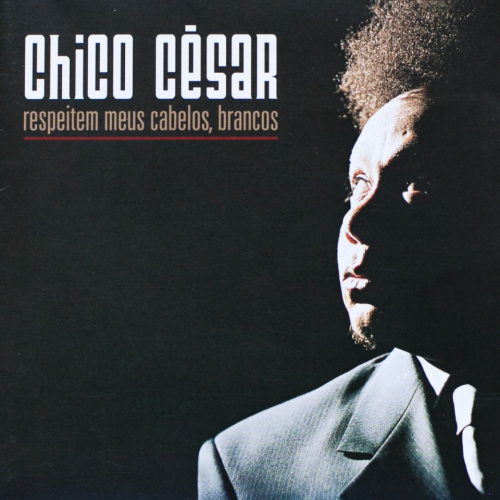
 View Artist